
TL;DR
- Apple challenged Taction's $5.7B patent verdict, calling damages 'guesswork'
- IDC: Apple gained ground as China's smartphone shipments plunged 15.4% in Q3 2026
- Apple won early access to OpenAI documents and employee testimony in trade secrets lawsuit
- FBI arrested OpenAI employee accused of planting hidden recording device in conference room
- Here's how much it costs to repair the new Apple HomeView
- PSA: Wall-mounted HomeView may not work if you buy the wrong power adapter
- Apple rolled out new AirPods beta firmware for several models, including AirPods Pro 3
- Justice Department said North Koreans have infiltrated dozens of U.S. companies
- Science Corporation implanted its vision-restoring chip in its first Stargardt disease patient
- Cerebras CEO said we're nearing a future where everyone has a personal AI assistant at home
Apple challenges Taction's $5.7B patent verdict, says damages were based on 'guesswork'

Apple formally challenged a massive $5.7 billion patent verdict won by Taction, arguing that the damages calculation was based on "guesswork" rather than concrete evidence. The filing, submitted this week, asked the court to overturn or significantly reduce the award, which stemmed from a long-running dispute over touchscreen haptic feedback technology. Apple's legal team contended that Taction's damages expert relied on speculative licensing models and failed to properly apportion the value of the patented features to the overall device.
The verdict, handed down earlier this year, represented one of the largest patent awards ever against a technology company. Taction alleged that Apple's iPhone, iPad, and Apple Watch products infringed on patents covering pressure-sensitive touch inputs and haptic responses. Apple consistently denied the claims, arguing that its implementations were independently developed and that the patents were invalid. The current challenge focused specifically on the damages methodology, not the underlying liability finding.
This case mattered far beyond the two companies involved. A $5.7 billion payout would have been a material hit to Apple's balance sheet, but more importantly, it set a precedent for how patent damages are calculated in the tech industry. If Apple succeeded in getting the award reduced, it could discourage so-called patent trolls from pursuing aggressive litigation strategies. If it failed, other companies could face similar mega-verdicts. The appeal was being watched closely by legal experts and corporate counsel across Silicon Valley.
From a consumer perspective, this was mostly a behind-the-scenes battle. Apple's ability to absorb a multibillion-dollar judgment was not in question — the company generated tens of billions in quarterly profit. However, prolonged litigation could divert resources and attention. More importantly, the outcome could influence future innovation incentives. If patent holders felt emboldened by massive awards, we could see more licensing demands that ultimately get passed on to consumers through higher device prices. For now, Apple's products remained unaffected, but the legal stakes were enormous.
IDC: Apple gains ground as China's smartphone shipments plunge 15.4% in Q3 2026

New data from IDC revealed a stark reality for the Chinese smartphone market: overall shipments fell 15.4% year-over-year in Q3 2026, marking one of the steepest declines in recent memory. The broader economic slowdown, weakened consumer confidence, and a lengthening replacement cycle all contributed to the slump. Yet amid the gloom, Apple managed to gain ground, increasing its market share despite shipping fewer units in absolute terms. The company's premium positioning and strong brand loyalty continued to insulate it from the worst of the downturn.
IDC's report highlighted that Chinese consumers held onto their phones longer, with the average replacement cycle now exceeding 36 months. Domestic brands like Xiaomi, Oppo, and Vivo were hit hardest, as their core customer base was more price-sensitive and more likely to delay upgrades. Apple, by contrast, benefited from a wealthier demographic that was less affected by economic headwinds and more willing to pay for perceived quality and ecosystem lock-in. The iPhone 17 series, launched in September, performed well in the premium segment.
The decline in China was part of a broader global trend of smartphone market maturation. With innovation slowing and prices rising, consumers saw fewer reasons to upgrade annually. Apple responded by emphasizing services, trade-in programs, and financing options to lower the barrier to entry. In China specifically, the company also expanded its retail presence and partnered with local payment providers to make purchasing easier. These moves appeared to pay off, at least relative to competitors.
For consumers, the Chinese market slowdown had mixed implications. On one hand, fierce competition for fewer buyers led to aggressive promotions and price cuts, particularly from Android manufacturers. On the other hand, weaker sales prompted brands to cut costs, potentially affecting build quality or software support. Apple's gain in share suggested that when consumers did spend, they increasingly chose premium devices. That was a validation of Apple's strategy, but it also raised questions about whether the company could sustain growth in a shrinking market.
Apple wins early access to OpenAI documents and employee testimony in trade secrets lawsuit

Apple scored a significant procedural victory this week in its trade secrets lawsuit against OpenAI, securing early access to internal documents and employee testimony. A federal judge granted Apple's motion to expedite discovery, ruling that the company had demonstrated a pressing need to examine evidence related to the alleged misappropriation of confidential information. The lawsuit, filed earlier this year, accused OpenAI of hiring away key Apple engineers and using their knowledge of proprietary AI hardware designs to accelerate its own projects.
According to court filings, Apple alleged that former employees now at OpenAI took with them sensitive details about custom silicon, sensor fusion, and on-device machine learning architectures. Apple claimed these trade secrets were then incorporated into OpenAI's consumer hardware efforts, including its AI assistant device. OpenAI denied the allegations, calling them baseless and asserting that its technologies were developed independently. The expedited discovery meant OpenAI had to hand over emails, internal memos, and hiring records, and several current and former employees were deposed in the coming weeks.
The case was part of a broader escalation in the rivalry between Apple and OpenAI. Once partners — Apple integrated ChatGPT into Siri and other services — the two companies increasingly became competitors. Apple developed its own large language models and AI hardware, while OpenAI expanded into consumer devices. The trade secrets lawsuit was just one front in this multi-pronged battle, which also included talent poaching, platform control, and regulatory lobbying. The outcome could shape the balance of power in the AI assistant market for years to come.
For consumers, this legal fight might have seemed distant, but it had real implications. If Apple succeeded in restricting OpenAI's use of certain technologies, it could slow down the development of competing AI products. Conversely, if OpenAI prevailed, it could accelerate innovation and bring more capable AI assistants to market faster. Either way, the discovery process was likely to reveal fascinating details about how both companies operated. The depositions, in particular, could expose internal debates and strategic priorities that were normally hidden from public view.
FBI arrests OpenAI employee accused of planting hidden recording device in conference room

In a story that sounded like a spy thriller, the FBI arrested an OpenAI employee accused of planting a hidden recording device in a company conference room. According to court documents unsealed this week, the employee allegedly placed a sophisticated audio recorder in a meeting room used for sensitive discussions about AI model development and business strategy. The device was discovered during a routine security sweep, prompting an internal investigation that ultimately involved federal authorities.
OpenAI confirmed the arrest in a brief statement, saying it cooperated fully with law enforcement. The company did not disclose the identity of the employee or the specific meetings that may have been compromised. However, sources familiar with the matter suggested the device was capable of long-range transmission and had been in place for several weeks. The FBI charged the individual with illegal interception of oral communications and possession of a covert listening device. If convicted, the employee faced up to five years in prison.
This incident raised serious questions about corporate espionage in the AI industry. As companies like OpenAI, Google, and Anthropic raced to develop ever more powerful models, the value of insider information skyrocketed. Competitors, foreign governments, and even activist groups had strong incentives to learn about internal plans. OpenAI was a particularly high-profile target, given its central role in the AI boom and its controversial transition from nonprofit to for-profit entity. The arrest underscored the need for robust security measures, even within trusted teams.
For consumers, this was a reminder that the AI products we use are developed in highly competitive, sometimes ethically murky environments. The incident could lead to increased security protocols at AI companies, which might slow down collaboration or make recruitment more difficult. It also highlighted the broader issue of data privacy and corporate transparency. While the arrested employee's motives remained unclear, the case would likely fuel ongoing debates about the concentration of power in the AI sector and the lengths to which actors would go to gain an advantage.
Here's how much it costs to repair the new Apple HomeView

Apple's new HomeView smart display had only been on the market for a few weeks, but we already had a clear picture of repair costs — and they weren't cheap. According to Apple's official service pricing, fixing a cracked screen on the HomeView set you back $199, while a full unit replacement cost $299. That was a significant chunk of change considering the device itself started at $349. For a product designed to sit on a kitchen counter or wall, these repair fees were likely to catch some buyers off guard.
The HomeView featured a 10.9-inch LCD display with a unique mounting system that allowed it to be placed on a stand or mounted directly to a wall. The screen was covered by a layer of glass that, while durable, was not immune to drops or impacts. AppleCare+ for HomeView cost $49 per year and reduced repair fees to $29 for screen damage and $99 for other issues. Without AppleCare+, however, a single accident could cost more than half the device's retail price to fix.
This pricing structure was consistent with Apple's broader approach to repairs, which had long been criticized as expensive. The company argued that its devices were built to last and that repair costs reflected the high quality of components and the complexity of modern electronics. Critics countered that Apple designed products that were difficult to repair and charged premiums that discouraged users from fixing rather than replacing. The HomeView, with its integrated display and custom mounting, appeared to continue that trend.
For consumers, the takeaway was clear: if you were buying a HomeView, seriously consider AppleCare+. The device was likely to be used in high-traffic areas where accidents happen. A $49 annual fee was a small price to pay for peace of mind. Alternatively, you could opt for a third-party case or mount that offered better protection. But given the HomeView's sleek design, bulky cases might not have been an option. Ultimately, Apple's repair pricing was a reminder that the true cost of ownership extended well beyond the initial purchase.
PSA: Wall-mounted HomeView may not work if you buy the wrong power adapter

If you were planning to wall-mount your new Apple HomeView, pay close attention to the power adapter you used. A public service announcement circulated this week warned that the device might not function properly — or at all — if you used an incompatible power adapter. The issue stemmed from the HomeView's power requirements, which were more demanding than a typical smart display. Apple recommended using the included 30W USB-C power adapter, but many users tried to use older or lower-wattage adapters they already owned.
The problem appeared to be related to the HomeView's always-on display and its ability to wake instantly when someone approached. These features required a consistent power supply that could handle sudden spikes in demand. A lower-wattage adapter caused the device to reboot randomly, fail to charge, or simply not turn on. Apple's documentation did mention the requirement, but it was buried in the fine print. Several users took to social media to complain after spending hours troubleshooting only to realize they needed a different adapter.
This wasn't the first time Apple faced criticism for power adapter compatibility. The company stopped including chargers with iPhones several years ago, and many users struggled to find the right wattage for fast charging. The HomeView situation was particularly frustrating because the device was meant to be a stationary home hub — you'd think any modern USB-C adapter would work. But Apple's implementation required specific power delivery profiles that not all adapters supported. It was a classic case of proprietary standards creating unnecessary friction.
For consumers, the advice was simple: use the adapter that came in the box, or buy a reputable 30W (or higher) USB-C Power Delivery adapter from a trusted brand. If you were wall-mounting, make sure the cable was long enough and rated for the power draw. And if you experienced issues, check the adapter first before assuming the device was defective. This PSA was a good reminder that even in a world of USB-C standardization, not all cables and chargers were created equal. Apple could do a better job of communicating these requirements upfront.
Apple rolls out new AirPods beta firmware for several models, including AirPods Pro 3

Apple released a new beta firmware update for several AirPods models, including the recently launched AirPods Pro 3. The update, available to developers and public beta testers, brought a mix of bug fixes, performance improvements, and a few new features. According to release notes, the firmware focused on enhancing the adaptive audio experience, improving conversation awareness, and refining the accuracy of spatial audio head tracking. It also addressed a known issue where the AirPods Pro 3 occasionally disconnected from Apple TV when switching between devices.
The AirPods Pro 3, released earlier this year, introduced a new H3 chip, improved active noise cancellation, and a redesigned charging case with Find My support. The beta firmware aimed to further polish these features. For example, the adaptive audio mode, which dynamically blends transparency and noise cancellation, was said to be more responsive to sudden loud sounds. Conversation awareness, which lowers media volume when you start speaking, was also tuned to be less aggressive. These may have seemed like small tweaks, but they significantly impacted daily usability.
Beta firmware for AirPods was typically distributed through Apple's developer program and later through the public beta software program. Users who wanted to test the update needed to have their AirPods connected to an iPhone or iPad running the corresponding beta OS. It was worth noting that beta firmware sometimes introduced new bugs or reduced battery life, so it wasn't recommended for everyone. Apple usually released the final version a few weeks after the beta cycle concluded, likely alongside a future iOS update.
For consumers, this signaled that Apple was committed to improving its audio products post-launch. The AirPods Pro 3 were already considered among the best wireless earbuds on the market, but competition from Sony, Bose, and others was fierce. Regular firmware updates helped Apple maintain its edge and address user feedback. If you owned AirPods Pro 3, you kept an eye out for the public release. If you were on the fence about buying, the ongoing improvements made them a safer long-term investment. Just don't expect revolutionary changes — this was about refinement, not reinvention.
Justice Department says North Koreans have infiltrated dozens of U.S. companies

The U.S. Department of Justice announced this week that North Korean operatives successfully infiltrated dozens of American companies, often by posing as remote IT workers. According to a new indictment and accompanying statement, the scheme involved thousands of North Korean nationals using stolen identities and forged documents to secure jobs at U.S. tech firms, healthcare providers, and even government contractors. The goal, according to prosecutors, was to generate revenue for the North Korean regime and potentially plant backdoors for future cyberattacks.
The DOJ's investigation, dubbed "Operation Hidden Cobra," had been ongoing for several years. It revealed that the operatives used sophisticated techniques to pass background checks, including paying Americans to use their identities and setting up fake online profiles with AI-generated photos. Once hired, they often outsourced their actual work to other North Koreans, creating a pyramid scheme of remote labor. The companies affected ranged from small startups to Fortune 500 firms, and many were unaware they had hired foreign agents.
This was not an isolated incident. North Korea increasingly used IT workers as a source of foreign currency, especially as international sanctions tightened. The COVID-19 pandemic and the rise of remote work made it easier for these operatives to blend in. The FBI and other agencies issued repeated warnings, but the problem persisted. The new indictment named several individuals and entities, and the DOJ sought extradition, though North Korea was unlikely to cooperate. The case highlighted the vulnerabilities in corporate hiring practices and the need for stricter verification.
For consumers, this story was a reminder that the tech supply chain was deeply interconnected and vulnerable. The companies infiltrated may have had access to sensitive user data, intellectual property, or critical infrastructure. While there was no evidence that consumer data was compromised in this specific case, the potential was alarming. It also underscored the importance of robust cybersecurity practices, even for remote teams. As remote work continued, companies had to invest in identity verification and security training. The DOJ's actions may have deterred some future attempts, but the threat was far from over.
Science Corporation implants its vision-restoring chip in its first Stargardt disease patient

Science Corporation, a neurotech startup founded by former Neuralink executives, achieved a major milestone: implanting its vision-restoring chip in its first patient with Stargardt disease. The procedure, performed at a leading European hospital, involved surgically placing a tiny electrode array on the patient's retina. The chip was designed to bypass damaged photoreceptors and stimulate the remaining retinal cells, potentially restoring some level of vision. The patient, who was legally blind before the surgery, recovered and began a rehabilitation program to learn how to interpret the new visual signals.
Stargardt disease is a genetic condition that causes progressive vision loss, typically beginning in childhood or adolescence. It affects the macula, the part of the retina responsible for central vision. There is currently no cure, and existing treatments only slow the progression. Science Corporation's chip, called the "Cortical Visual Prosthesis," is one of several approaches to restoring sight. Unlike other systems that require external cameras and processors, this chip is fully implanted and uses the eye's natural optics to focus light onto the electrode array. The company believed this would provide a more natural visual experience.
The first implantation was a significant step, but it was just the beginning. Science Corporation planned to enroll more patients in a clinical trial to test the safety and efficacy of the device. The trial would measure improvements in visual acuity, mobility, and quality of life. Regulatory approval was still years away, but the successful surgery was a proof of concept. The company was also exploring applications for other forms of blindness, such as retinitis pigmentosa. If the technology worked, it could transform the lives of millions of people worldwide.
For consumers, this was a story of hope and innovation. While the chip was not yet available, it represented the kind of breakthrough that makes technology meaningful. It also highlighted the growing intersection of biotech and consumer electronics. As companies like Science Corporation pushed the boundaries, we might have seen more medical devices that were as sophisticated as our smartphones. The ethical and accessibility questions were significant — would such treatments be affordable? — but the potential was enormous. This was one to watch closely over the next decade.
Cerebras CEO says we're nearing a future where everyone has a personal AI assistant at home

In a wide-ranging interview this week, Cerebras CEO Andrew Feldman predicted that within the next few years, every household would have a personal AI assistant capable of managing daily tasks, from scheduling to shopping to home automation. Feldman, whose company specialized in wafer-scale AI chips, argued that the combination of falling hardware costs and increasingly capable models would make AI assistants as ubiquitous as smartphones. He also pushed back on doomsday warnings about AI, saying that the technology would augment human capabilities rather than replace them.
Cerebras was known for its massive CS-3 chips, which were designed to train and run large AI models faster and more efficiently than traditional GPUs. Feldman believed that this kind of specialized hardware would enable AI assistants to run locally, without relying on the cloud. That would address privacy concerns and reduce latency, making the assistants more responsive and trustworthy. He envisioned a future where a single device in your home acted as a central AI hub, coordinating everything from your calendar to your thermostat. It was a vision that echoed Apple's HomeView and Amazon's Alexa, but with more advanced AI capabilities.
The idea of a personal AI assistant was not new — Siri, Alexa, and Google Assistant had been around for years. But Feldman argued that the next generation would be fundamentally different. Instead of simple voice commands, these assistants would understand context, anticipate needs, and hold natural conversations. They would also be able to control a wide range of devices and services, acting as a true digital concierge. The key enablers were large language models and specialized chips like Cerebras's, which could run these models efficiently on-device.
For consumers, this prediction was both exciting and daunting. On one hand, a truly helpful AI assistant could save time and reduce friction in daily life. On the other hand, it raised questions about privacy, data security, and dependence on technology. Feldman's optimistic view contrasted with more cautious voices in the industry. Ultimately, the market would decide. But if Cerebras and others succeeded, the home of the near future could look very different from today's. And the companies that controlled these assistants would wield enormous influence.
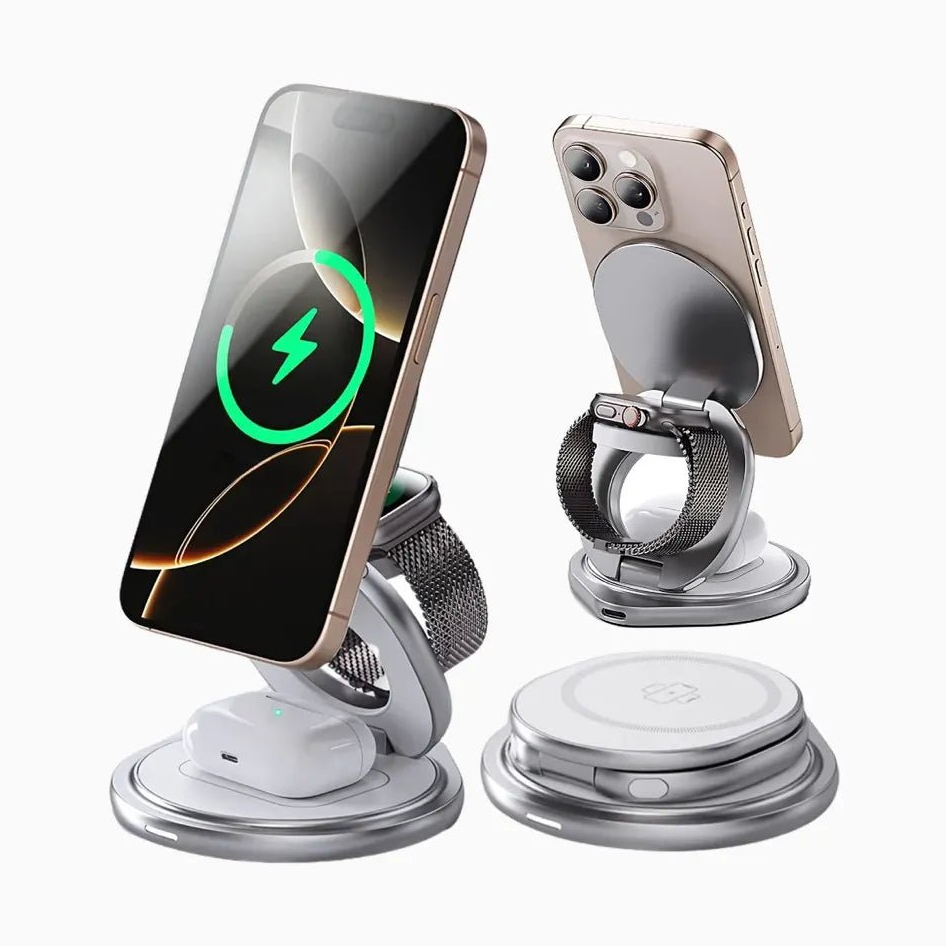
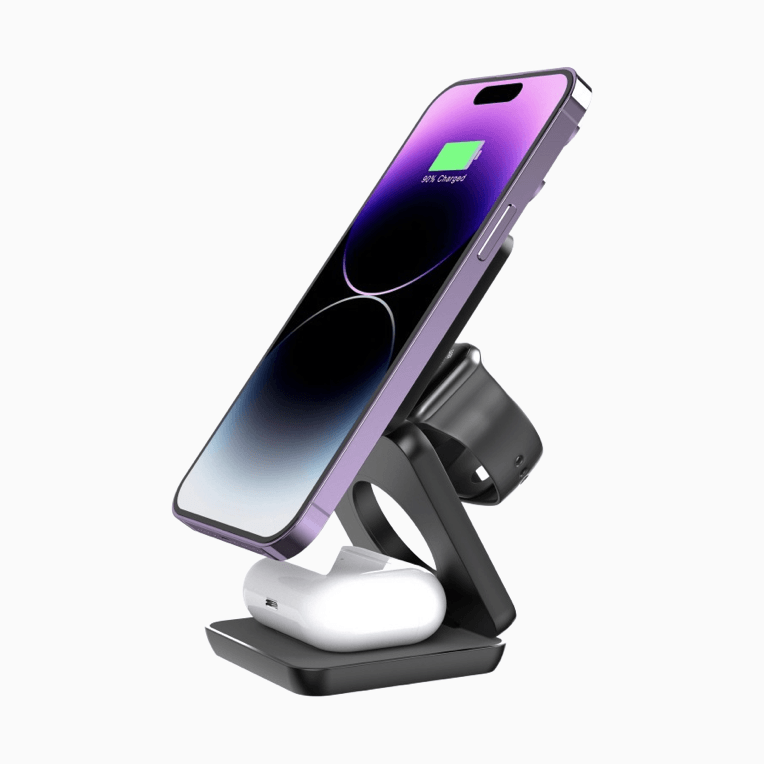
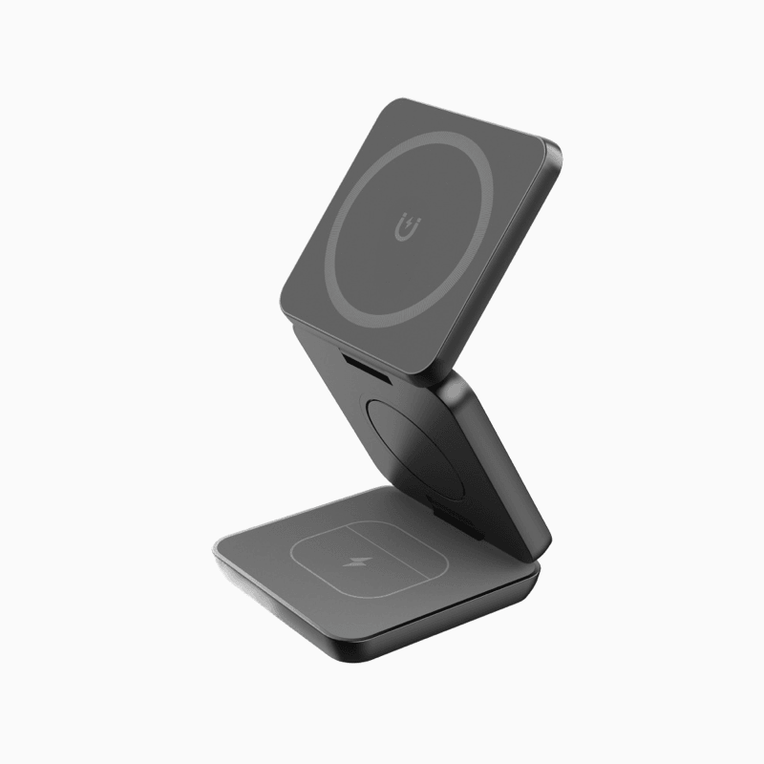
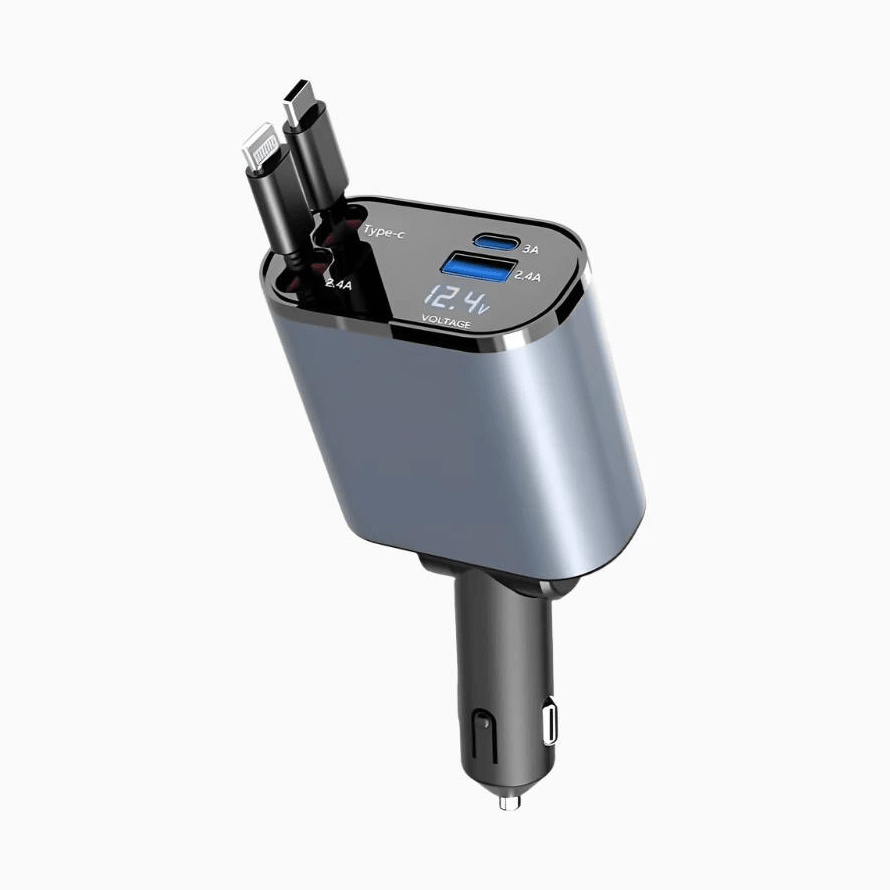
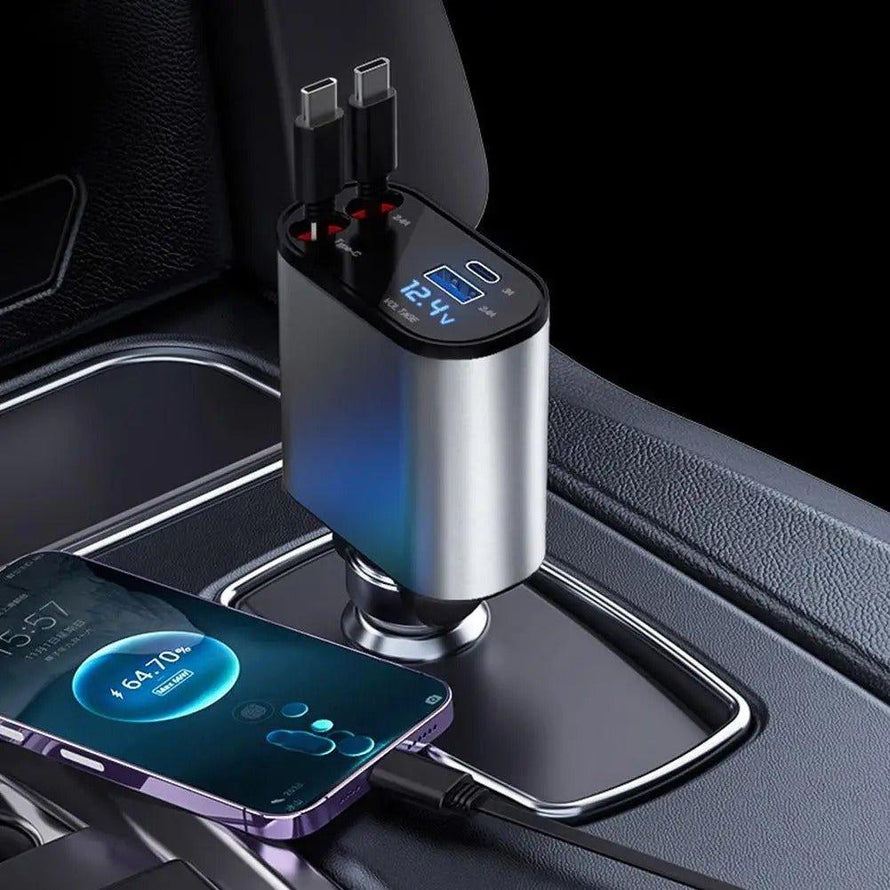
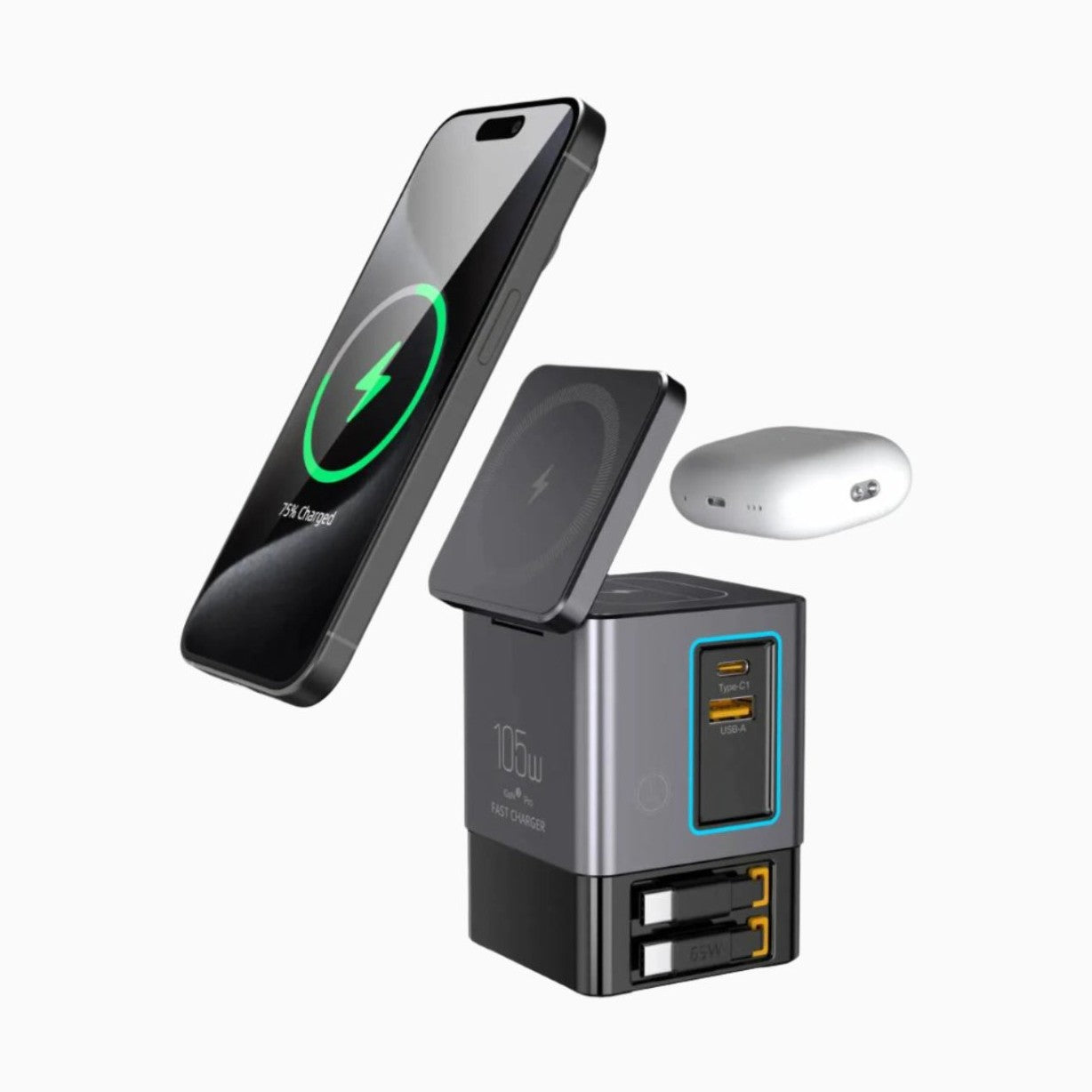
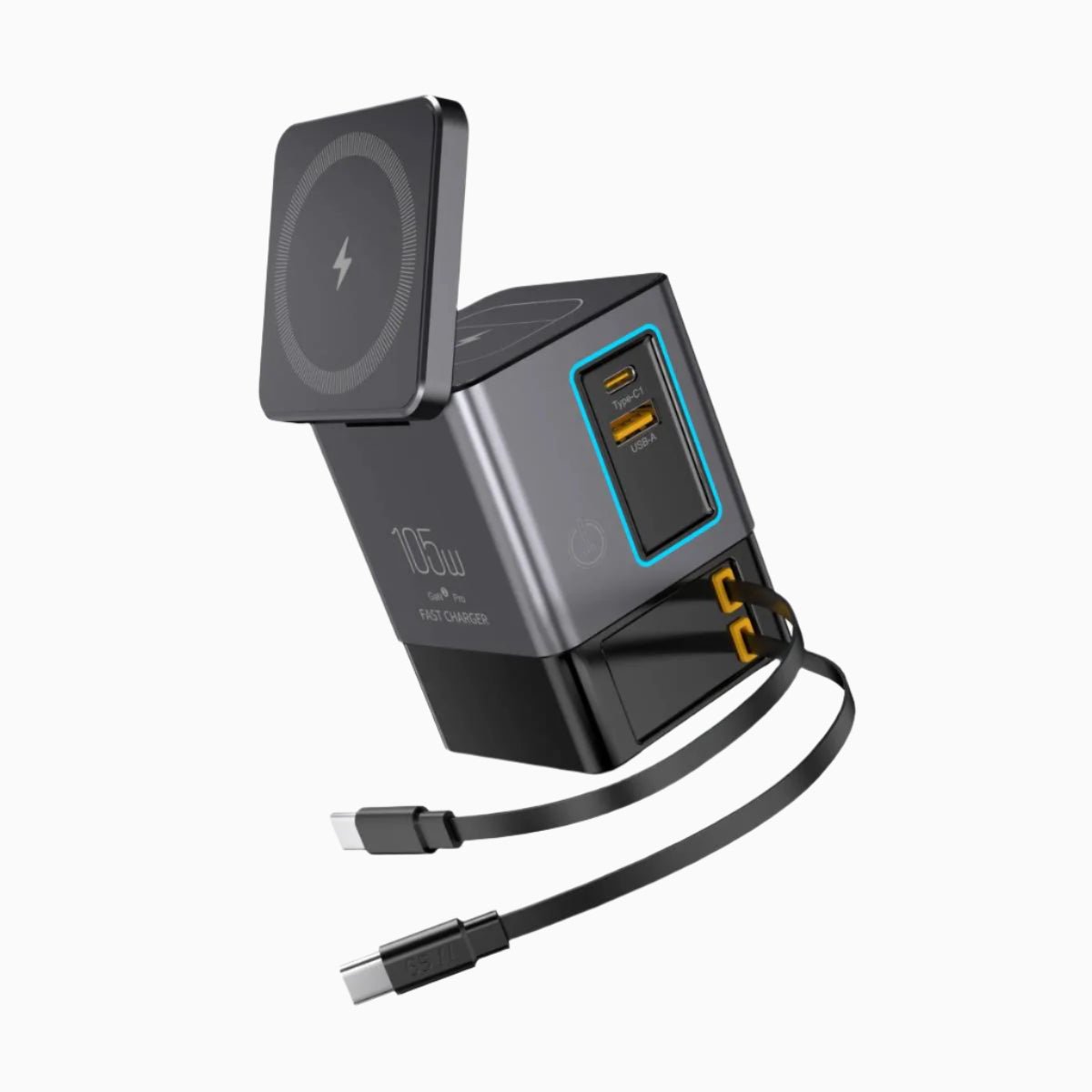
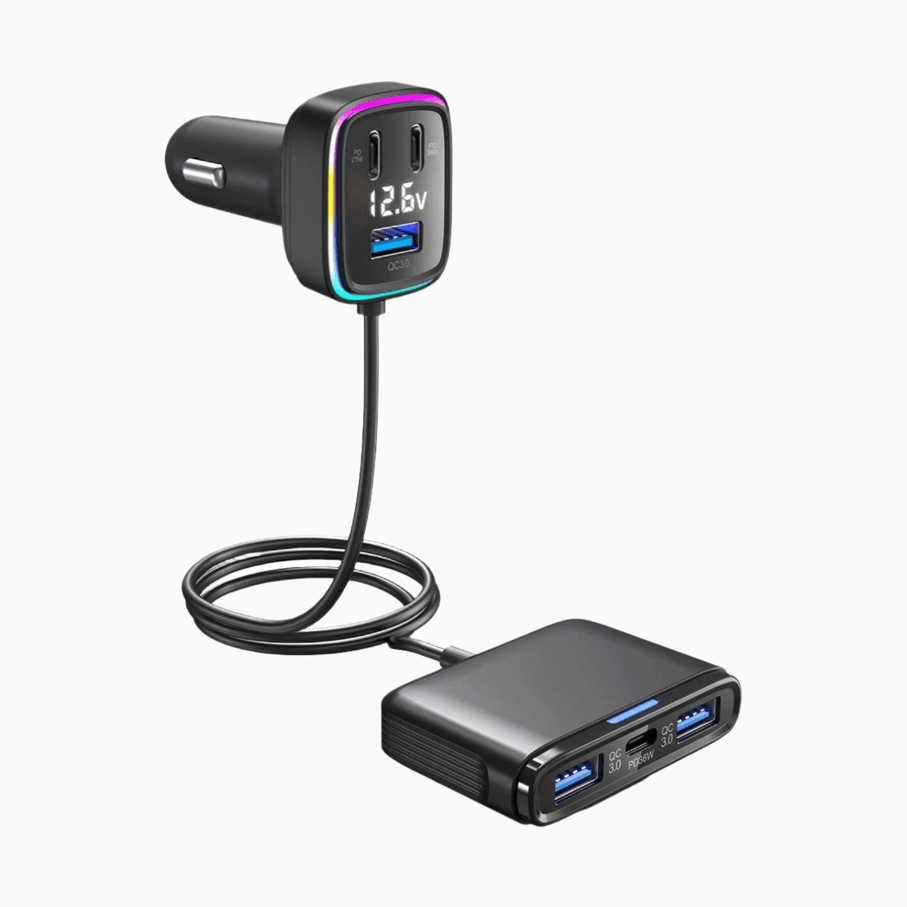
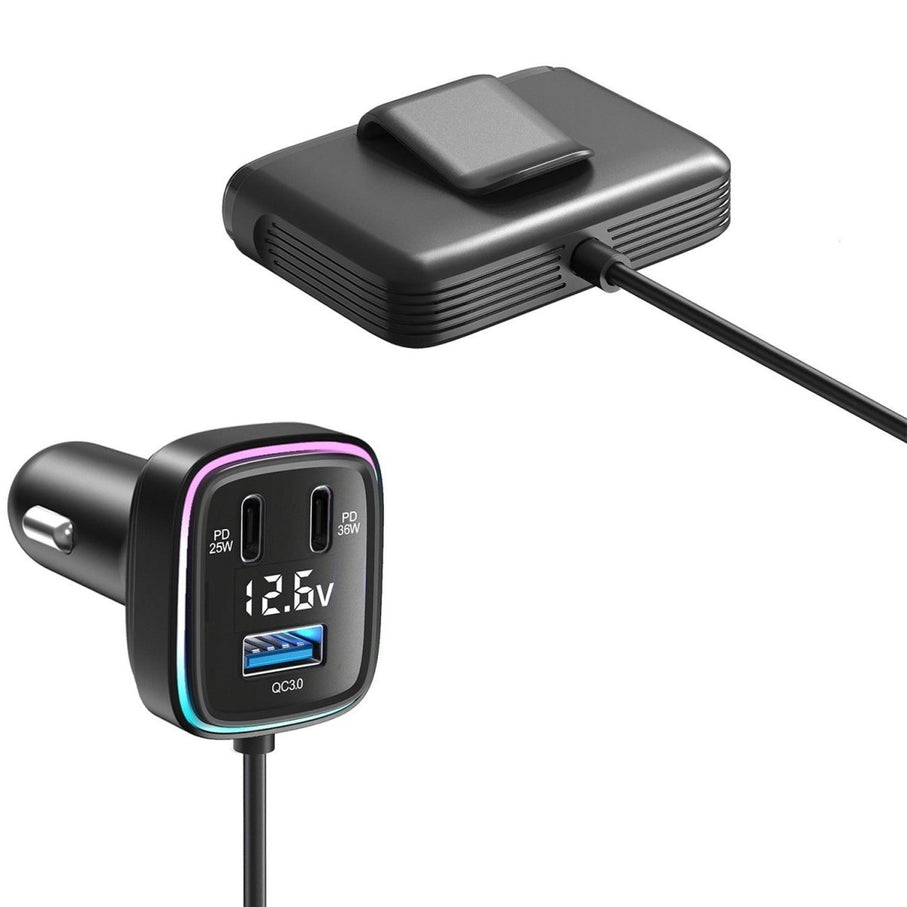
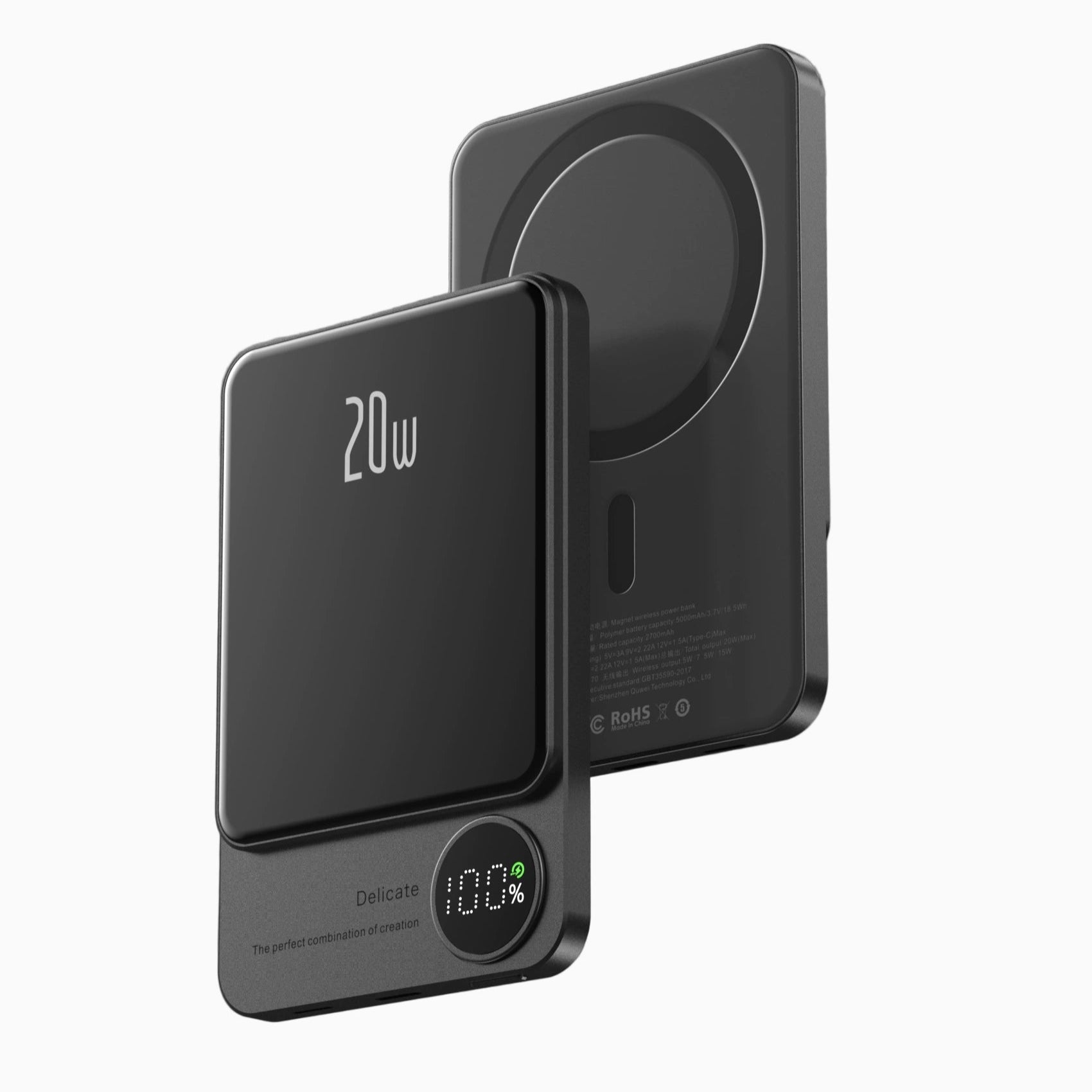
Check out the NexTECH 65W GaN Fast Charger with Global Travel Adapter for your own setup — keep all your gadgets powered with one compact, travel-ready charger.