
要約
- Appleが新しいMac miniとMac Studioを発表。パフォーマンスと接続性が向上。
- Apple、OpenAIとの営業秘密に関する訴訟で証拠開示の迅速化を推進。
- OpenAIがChatGPT WorkおよびCodex向け管理プラグインを発表。一方、データセンターのトップ幹部が離職。
- Stability AIが7,600万ドルを調達し、Stable Diffusionの競争力を維持。
- SpaceX、ルイジアナ州に2つ目の1,000億ドル規模のスターベース宇宙港を建設すると発表。
- Instagram、Reels向け「ファーストドラフト」と自動トリミング機能を導入。
- WhatsApp、アカウント向けに3つの新しいセキュリティ機能を導入。
- Notability、会議の録音とメモをカレンダーと連携。
- Appleの最新デバイスすべてでWi-Fi 7に対応。
- Ventures Platform、より大規模で幅広いアフリカ向け第2ファンドを閉会。
Apple、M4およびM4 Maxチップ搭載の新しいMac miniとMac Studioを発表

8月25日、Appleは次世代Mac miniとMac Studioを正式に発表し、静かながらも大幅なハードウェア刷新で多くの人々を驚かせました。新しいMac miniにはM4チップが搭載され、M2モデルと比較してCPUパフォーマンスは最大1.8倍、GPUパフォーマンスは最大2.2倍向上しています。一方、Mac StudioにはM4 Maxと新しいM4 Ultraオプションが採用され、最大128GBのユニファイドメモリと8TBのストレージに対応します。両モデルにはThunderbolt 5ポートが搭載され、最大120Gb/sのデータ転送速度を実現するとともに、最大3台の6Kディスプレイに同時対応します。
タイミングも注目に値します。Appleは例年の春のイベントをスキップし、代わりに段階的な発売方式を採用しました。Mac miniの価格は599ドルからとなっており、過去最も手頃なMacの一つとなっています。一方、Mac Studioは1,999ドルからとなっています。予約受付は直ちに開始され、9月4日から出荷が始まります。この動きは、実用的なアップグレードを待ち望んでいたクリエイティブプロフェッショナルやプロシューマーを獲得しようとするAppleの積極的な姿勢を示しています。
消費者にとってこれは大きな出来事です。Mac miniの価格とパフォーマンスの比率が、今や多くのWindowsデスクトップに匹敵するからです。Thunderbolt 5の搭載は、特に高速な外付けSSDやeGPUを使用するユーザーにとって将来を見据えた進化です。Mac miniのコンパクトさを維持しつつM4のパワーを詰め込んだAppleの判断は、デスクトップ級の性能が重要でありながらデスクスペースが限られているハイブリッドワーク環境に賭けていることを示唆しています。
編集上の視点では、Appleは自社のシリコンの優位性を明らかに強化しています。Intelが苦戦し、QualcommのSnapdragon Xシリーズもまだ追いつきつつある中で、AppleのM4ファミリーは効率性と純粋なパフォーマンスの基準であり続けています。デスクトップPCの購入を検討しているなら、新しいMac miniは間違いなく、現在最もコストパフォーマンスに優れたテック製品の一つです。
Apple、OpenAIとの営業秘密訴訟で証拠開示の迅速化を改めて推進

Appleは、今年初めに提起したOpenAIに対する営業秘密の不正流用に関する訴訟で、証拠開示の迅速化を求める申し立てを改めて行いました。8月25日に9to5Macが報じたこの動きは、OpenAIに移った元従業員が機密文書を持ち出し、競合するAIモデルの開発に使用したとAppleが主張する中で行われました。Appleの法務チームは、迅速な証拠開示がなければ証拠が紛失または破棄される可能性があると主張し、OpenAIの内部通信とトレーニングデータのログへのアクセスを求めています。
この訴訟は、巨大テック企業とAIスタートアップ企業との間で繰り広げられている、いくつかの重大な法的争いのうちの一つです。AppleはAI開発競争において目立った動きを見せていませんでしたが、この訴訟は、特にデバイス上でのインテリジェンスとプライバシー保護型機械学習に関する自社の研究を保護しようとしていることを示唆しています。一方、OpenAIは不正行為を否定し、これらの主張は根拠がないとしています。
判決によっては、AI人材の企業間の流動性が変わる可能性があります。Appleが勝訴すれば、人材の引き抜きを抑制し、近年弱まっていた競合避止義務のより厳格な執行を強いる前例となる可能性があります。消費者にとって、この訴訟はAIの専門知識をめぐる激しい競争を浮き彫りにしており、イノベーションを鈍化させるか、あるいは逆に、より多様なAIエコシステムを生み出す可能性があります。
編集上の観点から見ると、Appleの積極的な法的姿勢は諸刃の剣です。自社の知的財産を保護する一方で、生成AIでは追いつこうとしていることも示唆しています。証拠開示の迅速化は戦術的な動きですが、AppleがOpenAIに責任を追及することに真剣であることを示しており、AIの知的財産法における画期的な判決につながる可能性があります。
OpenAI、ChatGPT WorkおよびCodex向け管理プラグインを発表

OpenAIは8月24日、ChatGPT WorkおよびCodex向け管理プラグインを発表し、企業管理者にAI利用の詳細な制御機能を提供しました。このプラグインにより、ITチームは組織全体で権限を設定し、トークン使用量を監視し、データ保持ポリシーを適用できるようになります。OktaやAzure ADなどの既存のIDプロバイダーと連携できるため、企業はChatGPTとCodexを大規模に導入しやすくなります。
管理プラグインは、企業にとって重要な課題であるガバナンスに対応します。ChatGPTとCodexが開発者やビジネスユーザーにとって不可欠なツールとなる中で、IT部門は、特に機密データをめぐるこれらのツールの使用状況を把握する必要があります。プラグインはリアルタイムのダッシュボードと監査ログを提供し、ユーザーの役割に基づいて特定の機能を制限することも可能です。
この動きは、OpenAIがGoogleのGeminiやAnthropicのClaudeといった、強力な企業向け製品を提供する競合他社からますます競争にさらされている中で行われました。管理機能を追加することで、OpenAIはセキュリティを犠牲にすることなくAIを活用したい企業にとっての標準的な選択肢としての地位を確立しようとしています。プラグインは現在、ChatGPT WorkおよびCodex Enterpriseプランで利用でき、料金は1ユーザーあたり月額30ドルからとなっています。
消費者にとっては裏方の動きですが、AIが標準的な企業ツールになりつつあることを示しています。より多くの企業がAIを採用するにつれ、このようなカスタマイズされたソリューションがさらに増えるでしょう。OpenAIは顧客のフィードバックを明らかに受け入れており、管理プラグインはAIの責任と透明性を高めるための第一歩です。
OpenAI、離職者が相次ぐ中、データセンターのトップ幹部が離職

OpenAIのデータセンター運営責任者であるMike Pattersonが8月22日に辞任し、同社からの著名な人材の相次ぐ離職が続いています。Amazon Web Servicesから2023年にOpenAIに加わったPattersonは、GPT-5のトレーニングに使用される巨大なスーパーコンピュータークラスターを含む、同社の計算インフラの拡張を担当していました。彼の離職は、今年初めにCTOのMira Muratiと複数の研究責任者が去ったことに続きます。
Pattersonが辞職した理由は公表されていませんが、同社に近い関係者は、OpenAIの積極的な拡張計画と、それがエンジニアリングチームに与える負担をめぐる意見の相違を挙げています。OpenAIは採用を急いでいますが、AnthropicやxAIといった競合他社が魅力的な待遇とより柔軟な研究環境を提供しているため、トップ人材の確保は難しくなっています。
この人材流出は、OpenAIのロードマップに大きな影響を与える可能性があります。データセンターの専門知識は次世代モデルのトレーニングに不可欠であり、Pattersonのような主要幹部を失うことは、GPT-5の展開を遅らせる可能性があります。同社はすでにインフラのボトルネックを理由に、リリース予定日を2026年末から2027年初めに延期しています。
消費者にとっては、OpenAIのモデルに依存するAI機能の提供が遅れる可能性があることを意味します。同社は依然として業界をリードしていますが、人材の流出は長期的な安定性に疑問を投げかけています。OpenAIが優位性を保つには内部文化の問題に対処する必要があります。さもなければ、より意欲的で機敏なライバルに後れを取る可能性があります。
Stability AI、Stable Diffusion強化に向け新たに7,600万ドルを調達

人気の画像生成AI Stable Diffusionを開発するStability AIは、8月21日、新たな資金調達ラウンドで7,600万ドルを調達したと発表しました。この投資はIntel Capitalが主導し、CoatueやLightspeedなどの既存の支援者も参加しました。新たに得た資金は、推論時間の短縮とテキストから画像への精度の向上を約束するStable Diffusion 4の開発、および企業向け製品の拡充に充てられます。
この資金調達は、過去1年間に解雇や著作権侵害をめぐるアーティストからの訴訟など、財務的な混乱に直面してきたStability AIにとっての救済策です。同社はオープンソースモデルの収益化に苦戦する一方、MidjourneyやDALL-E 3といった競合他社は有料サブスクリプションで支持を広げています。Googleの元幹部であるStability AIの新CEOは、マーケティング、デザイン、Eコマースでの利用に向けたモデルのライセンス提供など、B2B戦略を推進しています。
7,600万ドルの資金調達は、Stability AIの立て直し計画に対する投資家の信頼を示しています。同社はSD4をオープンソース版と商用APIを備えたハイブリッドモデルとしてリリースする計画です。このアプローチは、開発者コミュニティを維持しつつ、企業から収益を得ることを目指しています。
消費者にとっては、これは良いニュースです。クリエイティブツールを民主化したオープンソースのAI画像生成が継続して開発されることが保証されるからです。しかし、ますます混雑する市場で生き残るためには、同社は完璧に実行する必要があります。SD4が約束を果たせば、Stability AIはリーダーとしての地位を取り戻せる可能性がありますが、プレッシャーはかかっています。
SpaceX、ルイジアナ州に1,000億ドル規模の「スターベース」宇宙港を建設すると発表

SpaceXは8月20日、ルイジアナ州に2つ目の「スターベース」宇宙港を建設すると発表し、今後10年間で推定1,000億ドルを投資する予定です。メキシコ湾岸近くに位置するこの施設は、テキサス州ボカチカにある既存のスターベースを補完するスターシップミッションの打ち上げ拠点として機能します。ルイジアナ州のサイトには、複数の打ち上げ台、ロケット製造工場、大型部品を輸送するための深水港が含まれます。
この決定は、州および地方当局との数ヶ月にわたる交渉を経て下されました。当局は多額の税制優遇措置とインフラ支援を提示しています。ルイジアナ州のジョン・ベル・エドワーズ知事は、これを「州にとって変革をもたらすプロジェクト」と呼びました。SpaceXは2027年初頭に建設を開始し、同サイトからの最初の打ち上げを2029年までに行うことを目指しています。
この拡張は、有人火星ミッションやアルテミス計画を含むSpaceXの野心的な目標にとって不可欠です。ルイジアナ州の立地は、極軌道にとってより有利な打ち上げ回廊と良好な気象条件を提供し、打ち上げの中止を減らします。また、複数の事故を経験しているテキサス州の施設が損傷した場合の冗長性も提供します。
消費者にとって、このニュースは遠い出来事に思えるかもしれませんが、宇宙の急速な商業化を浮き彫りにしています。SpaceXの拡大するインフラは打ち上げコストをさらに低下させ、衛星インターネット(Starlink)をより手頃にし、新しい宇宙ベースのサービスを可能にします。1,000億ドルという数字は驚異的ですが、民間宇宙探査がもはやニッチではなく、主要な経済の原動力であることを示しています。
Instagram、Reels向け「ファーストドラフト」と自動トリミング機能を導入

Instagramは8月19日、Reelsの作成を簡素化することを目的とした2つの新機能を発表しました。「ファーストドラフト」と自動クリップトリミングです。「ファーストドラフト」機能では、クリエイターは未編集の動画クリップを撮影してプライベートな下書きフォルダに保存でき、後でそれを洗練して磨き上げ、最終的なReelにすることができます。これは、映像を失ったり、一度の撮影で完璧に編集されたコンテンツを作成しなければならないプレッシャーを感じたりするという一般的な課題に対応したものです。
自動トリミング機能は、その名の通り、クリップの最初と最後の無音部分を自動的にカットし、クリエイターの時間を節約します。デバイス上の機械学習を使用して一時停止を検出し、それらを取り除くことで、よりスムーズな最終製品を実現します。両方の機能は、今後数週間にわたってすべてのユーザーに世界的に展開されます。
これらのアップデートは、短尺動画を支配してきたTikTokに対抗しようとするInstagramのより広範な取り組みの一環です。編集の摩擦を減らすことで、InstagramはReelsのエディターを難解だと感じるより多くのクリエイターを引きつけたいと考えています。「ファーストドラフト」機能は、ソーシャルプラットフォーム全体でトレンドとなっている真正性も奨励します。
クリエイターにとって、これらのツールはありがたいものです。高品質なコンテンツへの参入障壁を下げ、プロの編集スキルがなくてもより多くの人が創造性を共有できるようにします。Instagramは明らかにコミュニティの声を聞いており、これらの中小ながらも意味のある改善は、クリエイターベースの維持と拡大に役立つ可能性があります。
WhatsApp、アカウント向けに3つの新しいセキュリティ機能を導入

WhatsAppは8月18日、ユーザーアカウントを不正アクセスから保護するために設計された3つの新しいセキュリティ機能を発表しました。1つ目は「パスキー」サポートで、ユーザーはSMSコードの代わりに生体認証(指紋またはFace ID)を使用してログインできます。2つ目は、アカウントのセキュリティ設定を確認し、2段階認証の有効化や復元メールの更新などの改善を提案する「セキュリティチェック」ツールです。3つ目は、悪意のあることがわかっているリンクを開く前にユーザーに警告する「不審なリンク検出」機能です。
これらの機能は、メッセージングアプリが機密性の高い個人情報や財務データを保持するようになるにつれて、より一般的になっているSIMスワップ攻撃やフィッシングに関する懸念に対応します。特にパスキーは、傍受される可能性のあるSMSベースの2要素認証の脆弱性を排除するため、大幅なアップグレードです。
WhatsAppの親会社Metaは、特にジャーナリストや活動家に対するスパイウェア攻撃の報告を受けて、セキュリティを改善するよう圧力を受けてきました。これらの新しい機能は、WhatsAppをSignalやTelegramに匹敵する最も安全なメッセージングプラットフォームにするためのより広範な取り組みの一環です。
ユーザーにとって、これらの機能は歓迎すべき追加です。パスキーはより便利で安全であり、セキュリティチェックツールはアカウントをロックダウンするための積極的な方法です。サイバー脅威が増大する時代において、WhatsAppは正しい方向への一歩を踏み出していますが、これらの機能が20億人のユーザーにどの程度効果的に採用されるかはまだわからないままです。
Notability、会議の録音とメモをカレンダーを中心に整理

iPadとMac向けの人気のメモアプリNotabilityは、8月21日に会議の録音、文字起こし、メモをカレンダーに直接統合するメジャーアップデートをリリースしました。このアップデートにより、ユーザーはGoogleカレンダーまたはAppleカレンダーを接続でき、各会議ごとに新しいメモが自動的に作成され、関連する録音と文字起こしがリンクして簡単にアクセスできるようになります。これは、会議メモのためにNotabilityに依存するプロフェッショナルにとって画期的な出来事です。
この機能は、デバイス上の音声認識を活用して会議をリアルタイムで文字起こしし、文字起こしは検索可能です。ユーザーはメモ内で直接音声を録音することもでき、音声は文字起こしと同期されるため、単語をタップすると録音のその時点にジャンプします。これにより、何時間もの音声をスクラブすることなく会議を見直すことが非常に簡単になります。
NotabilityはGoodNotesやOneNoteといったアプリと競合しており、このカレンダー連携は差別化要因です。これはNotabilityを単なるメモアプリではなく、プロフェッショナル向けの包括的な生産性ハブとして位置づけます。アップデートは無料で利用でき、一部の高度な機能(無制限の文字起こしなど)にはサブスクリプションが必要です。
ユーザーにとって、このアップデートは大幅な時間の節約になります。メモと録音を手動で整理する必要性をなくし、検索可能な文字起こしにより情報を素早く見つけることができます。Notabilityは明らかにユーザーベースの声を聞いており、この機能は会議管理の定番アプリとしての地位を固める可能性があります。
Appleの最新デバイスすべてでWi-Fi 7に対応

今週時点で、Appleは公式仕様を更新し、新しいMac mini、Mac Studio、iPhone 17シリーズを含む2026年に導入されたすべてのデバイスが完全なWi-Fi 7(802.11be)に対応していることを確認しました。これには、実際の環境で最大4.8Gbpsの速度を実現する320MHzチャネル帯域幅、マルチリンク動作、4K QAMなどの機能が含まれます。これは、最大2.4GbpsだったWi-Fi 6Eからの大きな飛躍です。
Wi-Fi 7は、ゲーマー、ストリーマー、大容量ファイルを転送するプロフェッショナルなど、ヘビーユーザーにとって特に有益です。マルチリンク動作により、デバイスは複数のバンドを同時に使用でき、遅延を減らし信頼性を向上させます。AppleのWi-Fi 7採用は、新しい規格の統合が遅れている多くのAndroid競合他社を一歩リードしています。
しかし、Wi-Fi 7のメリットを享受するには、まだ比較的高価な互換ルーターが必要です。幸いなことに、Wi-Fi 7ルーターは手頃になりつつあり、中価格帯モデルでは300ドル未満になっています。Appleのこの動きは、消費者がデバイスとルーターを同時にアップグレードするにつれて、Wi-Fi 7の普及を加速させる可能性が高いでしょう。
消費者にとって、これは特にアパートやオフィスのような混雑した環境で、より高速で信頼性の高いワイヤレス接続を意味します。Wi-Fi 7はAR/VRや8Kストリーミングなどの今後のテクノロジーをサポートするように設計されているため、将来性も備えています。Appleの早期採用は、Wi-Fi 7が新しい標準であることを示しており、最近のAppleデバイスをお持ちであれば、互換ルーターに投資する価値があります。
Ventures Platform、第2回アフリカ基金を1億5000万ドルで組成

アフリカを代表するベンチャーキャピタル会社であるVentures Platformは8月19日、第2回ファンドを当初目標の1億2000万ドルを上回る1億5000万ドルで組成したと発表しました。このファンドは、フィンテック、ヘルステック、気候技術に特に重点を置きながら、大陸全域のアーリーステージのスタートアップに注力します。これは、2023年に8000万ドルを調達した同社の第1回ファンドから大幅な増加です。
このファンドの出資者には、国際金融公社(IFC)、英国国際投資公社(BII)、および複数のアフリカ年金基金が含まれています。Ventures Platformは、ナイジェリアの物流スタートアップへのシードラウンドやケニアの農業技術企業へのシリーズAを含む、すでに新ファンドから12件の投資を行っています。同社は今後3年間で50万ドルから500万ドルまでの出資を行う予定です。
これは、世界的な経済の逆風により過去2年間で資金調達が鈍化してきたアフリカのテックエコシステムにとって、良い兆候です。Ventures Platformの成功は、投資家が依然として大陸の長期的な可能性、特に金融包摂や食料安全保障といった基本的なニーズに対応する分野を楽観的に見ていることを示唆しています。
消費者にとって、これはアフリカ市場向けにカスタマイズされた、より革新的な製品やサービスを意味します。アフリカが気候変動の影響を不釣り合いに受けているため、このファンドの気候技術への注力は特に時宜を得ています。Ventures Platformは単にスタートアップに投資しているのではなく、大陸の未来に投資しており、このファンドは次世代のアフリカのテックリーダーの育成に役立つでしょう。
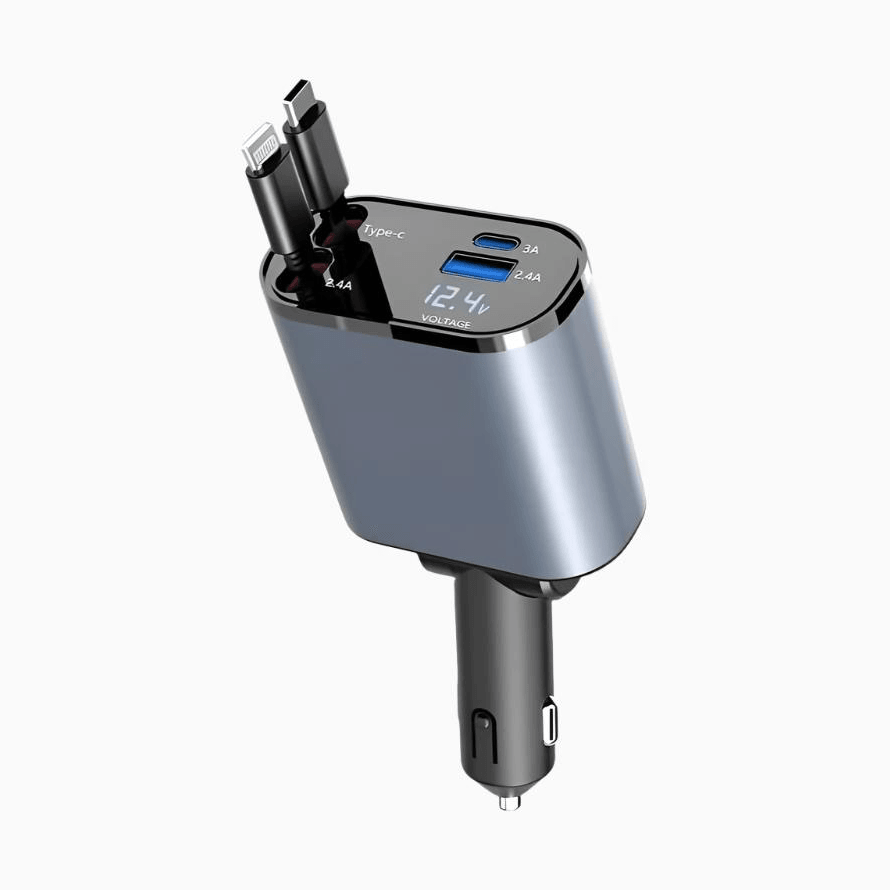
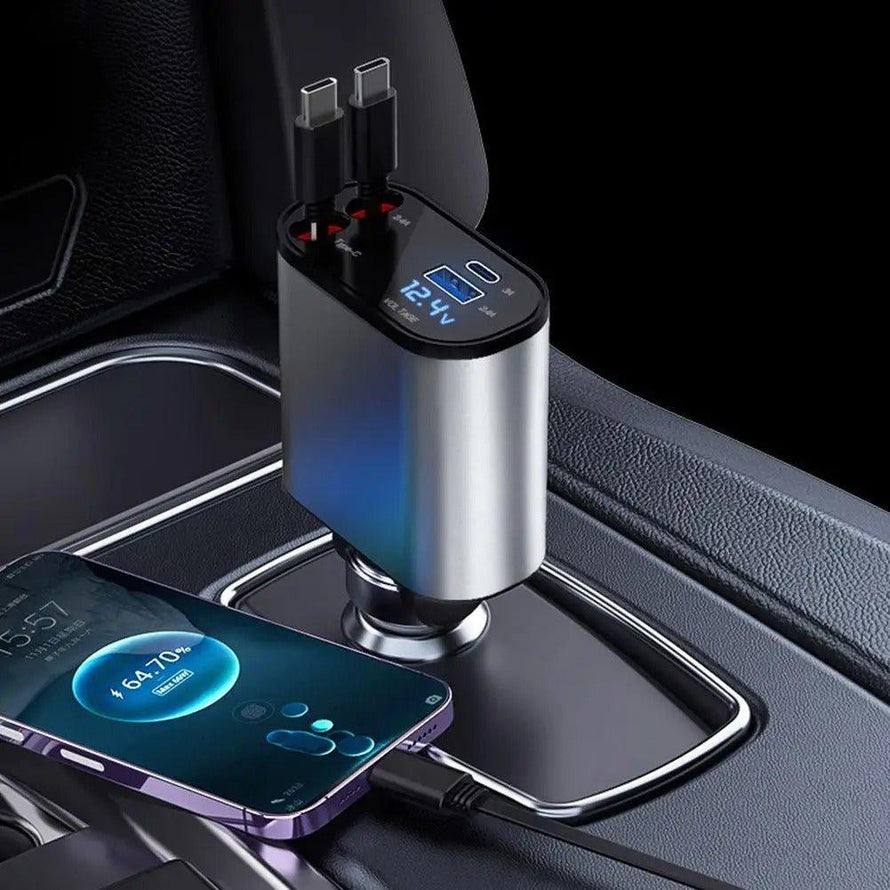
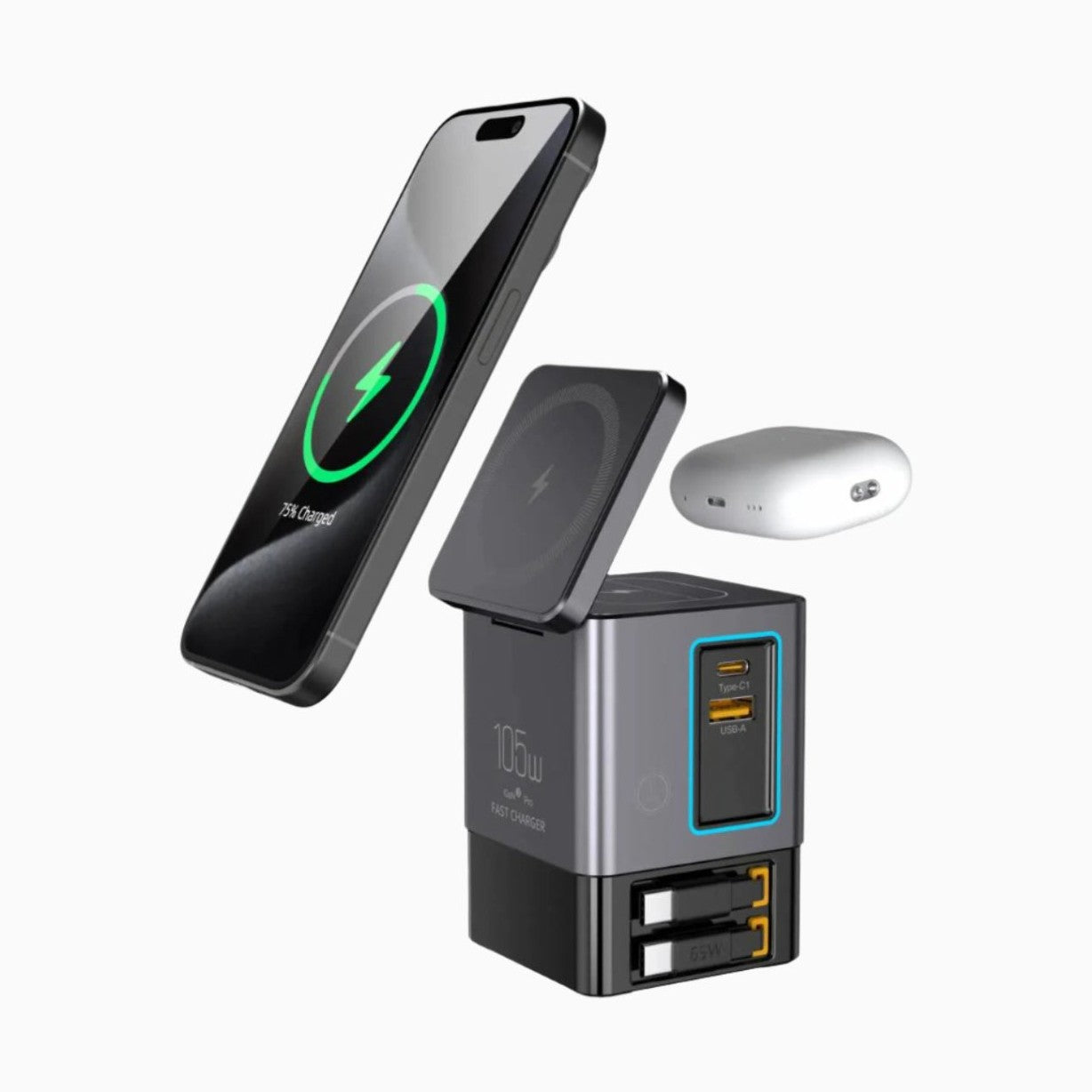
ご自身のセットアップには、グローバル旅行アダプター付きNexTECH 65W GaN急速充電器をぜひご覧ください — 新しいMac miniまたはMac Studioをどこでも高速かつコンパクトに充電できます。