
TL;DR
- Apple hired a cellular modem engineer to help shape its transition to 6G
- Dark comedy 'Where's Wanda?' season 2 premiered on Apple TV
- Meta's Muse app topped 10 million US downloads in just 40 days
- Apple's 'Designers of Tomorrow' showcased creative projects from emerging designers
- John Ternus discussed his involvement with Apple's design teams
- iOS 27 added a scam-prevention feature to iPhone — here's how to enable it
- Apple announced its 'Pro and tell' experience on October 20
- Apple continued acquiring companies with one clear goal in mind
- Anthropic pitched an AI safety bill that could block a model if 50+ people could be killed
- SpaceX and Tesla boards formed special committees to review their merger
- Hugging Face CEO warned that Netflix's OpenAI hack documentary isn't accurate
- Anthropic's cloud partnerships got messy
- SpaceX's AI business beat expectations
- OpenAI acquired startup Orchestra Bio to beef up its biotech business
- Google brought a more personal version of its Gemini AI assistant to your car
- GM announced it closed its Detroit battery assembly plant
- Oura Ring added new stats related to cardio fitness
- Reports suggested the next Xbox might cost $1,800
Apple Seeks Cellular Modem Engineer to Shape Its 6G Transition

Apple posted a job listing for a cellular modem engineer, signaling that the company laid the groundwork for its transition to 6G connectivity. The role, which appeared on Apple's careers site this week, called for someone to help "shape the future of wireless technology" and work on next-generation modem architectures. While Apple developed its own 5G modems for years — a project that saw its share of delays and setbacks — this hire suggested the company was not content to simply catch up to Qualcomm on 5G. It wanted to be early to the 6G party.
This mattered because Apple's reliance on Qualcomm for iPhone modems was a long-standing sore spot. The company acquired Intel's modem business back in 2019 for $1 billion and poured resources into developing in-house silicon ever since. The first Apple-designed 5G modem debuted in the iPhone SE 4 or iPhone 17 Air, but the real prize was owning the entire stack — from antenna to application processor — which gave Apple tighter control over performance, power efficiency, and security. A 6G engineer hire now was a clear signal that Apple viewed the modem as a multi-generational investment, not a one-off project.
The context here was that 6G standards work was already underway at the ITU and 3GPP, with commercial deployments targeted for around 2030. Apple's move was early, but that was the point — the company wanted to have a seat at the table when the standards were being written, rather than reacting to them after the fact. The engineer worked closely with Apple's silicon team and its wireless software group, which expanded steadily over the past few years.
For consumers, the practical impact was years away, but it was a reassuring sign that Apple wasn't planning to be a passive player in the next generation of wireless. If Apple pulled off a competitive 6G modem, it meant better battery life, more reliable connections, and potentially lower costs as Apple stopped paying Qualcomm's licensing fees. The road there was long and expensive, but this week's job listing showed the company was serious about making the journey.
'Where's Wanda?' Season 2 Premieres on Apple TV

Apple TV+ debuted the second season of its dark comedy series 'Where's Wanda?', continuing the story of a dysfunctional family's search for their missing daughter. The show, which first premiered in 2024, developed a cult following thanks to its blend of sharp humor and genuine emotional stakes. Season 2 picked up where the first left off, with the family navigating the aftermath of the events from the finale while continuing to uncover new layers of the mystery.
For Apple, this was another example of its strategy to build a library of prestige content that could compete with Netflix, HBO Max, and Disney+. The company spent heavily on original programming, and while it didn't always produce breakout hits, shows like 'Ted Lasso', 'Severance', and 'Slow Horses' established Apple TV+ as a destination for quality television. 'Where's Wanda?' fit into that mold — it wasn't a massive tentpole, but it was the kind of show that generated critical buzz and kept subscribers engaged between bigger releases.
The timing of the premiere was also notable. It arrived just as Apple geared up for its 'Pro and Tell' event on October 28, which focused on professional hardware but could also include updates on services. Apple increasingly bundled its services together, and a steady drumbeat of new content helped justify the monthly subscription fee. For consumers, the message was clear: Apple TV+ was not a hobby anymore; it was a serious player in the streaming wars.
From an editorial standpoint, 'Where's Wanda?' was a solid addition to the lineup, but it was unlikely to move the needle on its own. The real test for Apple TV+ was whether it could produce a genuine watercooler show — something that everyone was talking about — and sustain that momentum. Season 2 was a step in the right direction, but the streamer still had work to do.
Meta's Muse App Tops 10 Million US Downloads in 40 Days

Meta's new AI-powered app, Muse, crossed 10 million downloads in the United States within just 40 days of its launch, according to data from Sensor Tower. The app, which appeared to be a creative tool that leveraged Meta's generative AI models, struck a chord with users looking for easy ways to generate images, text, and other content. The rapid adoption made Muse one of the fastest-growing apps in Meta's recent history and a clear signal that the company's AI investments started to pay off in the consumer market.
The context here was important: Meta was under pressure to demonstrate that its massive spending on AI infrastructure — including GPUs, data centers, and research talent — translated into products that people actually wanted to use. Muse appeared to be that product. Unlike some of Meta's previous AI efforts, which were criticized for being gimmicky or poorly integrated, Muse seemed to have found a real use case. The app's growth also came as Meta faced increasing competition from OpenAI's ChatGPT, Google's Gemini, and a host of smaller AI startups.
Why did this matter for consumers? Because it signaled that AI moved from the realm of tech demos into everyday tools. Muse's success suggested that people were willing to adopt AI-powered apps if they were well-designed and solved a real problem. It also put pressure on Apple, which was slower to roll out consumer-facing AI features. Apple's own AI efforts, branded as Apple Intelligence, were more focused on integrating AI into existing apps rather than launching standalone products. Muse's traction could force Apple to rethink that approach.
Editorially, I was skeptical of download numbers as a measure of long-term success — plenty of apps spiked and then faded. But 10 million in 40 days was not nothing, and it gave Meta a valuable trove of user data and feedback to improve the product. If Muse retained even a fraction of those users, it would be a meaningful win for Meta and a warning shot to its competitors.
Apple's 'Designers of Tomorrow' Highlights Emerging Creative Talent

Apple launched a new initiative called 'Designers of Tomorrow,' which spotlighted creative projects from emerging designers around the world. The program, announced this week, featured a series of profiles and interviews with young designers who used Apple products to bring their ideas to life. The first batch of featured designers included a furniture maker, a digital artist, and a fashion designer, each of whom discussed their creative process and the role that Apple's hardware and software played in their work.
This was classic Apple marketing — positioning its products as tools for creativity and self-expression rather than just consumer electronics. It was a strategy the company used for decades, from the famous '1984' ad to the 'Shot on iPhone' campaigns. By aligning itself with emerging designers, Apple tried to cultivate loyalty among the next generation of creative professionals, who were often influential tastemakers. The timing was also interesting: it came just ahead of Apple's 'Pro and Tell' event, which focused on professional workflows and high-end hardware.
For consumers, the 'Designers of Tomorrow' program was mostly inspirational content, but it also served a practical purpose. It showcased how Apple's ecosystem — from the Mac to the iPad to the iPhone — could be used together to create professional-grade work. That was a message that resonated with aspiring creatives who might be considering a switch from Windows or Android. It was also a reminder that Apple's strength lay not just in its hardware but in the software and services that tied everything together.
My take: this was a smart, low-cost marketing play that reinforced Apple's brand identity. It didn't move units on its own, but it helped maintain the company's cultural cachet, which was ultimately what allowed it to charge premium prices. In a year when Apple faced criticism for falling behind in AI, initiatives like this reminded people why they loved the brand in the first place.
John Ternus Opens Up About His Role in Apple's Design Teams

In a rare interview this week, John Ternus, Apple's Senior Vice President of Hardware Engineering, discussed his involvement with the company's design teams and how the two disciplines collaborated. Ternus, who was with Apple since 2001 and took over hardware engineering in 2021, emphasized that design and engineering were not separate silos at Apple but rather deeply intertwined processes. He described how his team worked closely with the industrial design group led by Evans Hankey (and previously Jony Ive) to ensure that products were not only beautiful but also manufacturable and reliable.
This mattered because Apple's success was long attributed to its ability to marry form and function in ways that competitors struggled to match. But in recent years, some critics argued that Apple's design became stale, with incremental updates to the iPhone and MacBook lines. Ternus's comments suggested that the company was aware of these concerns and actively worked to maintain its design leadership. He also hinted that the upcoming 'Pro and Tell' event showcased products that represented a meaningful step forward in both design and engineering.
The context here was that Apple faced intense competition from Samsung, Google, and a host of Chinese manufacturers who pushed the boundaries of hardware design. Foldables, rollables, and other novel form factors became more common, and Apple had yet to enter that space. Ternus's interview was a reminder that Apple preferred to enter markets when it could offer a polished, complete experience rather than being first. Whether that strategy continued to work in a rapidly evolving market was an open question.
For consumers, the key takeaway was that Apple's hardware engineering and design teams were more integrated than ever. That translated into products that were both durable and delightful to use. But it also meant that Apple's pace of innovation was deliberate — sometimes frustratingly so. If you were waiting for a radically redesigned iPhone, you waited a while.
iOS 27 Adds Scam-Prevention Feature to iPhone

Apple introduced a new scam-prevention feature in iOS 27 that was designed to protect iPhone users from fraudulent messages, calls, and links. The feature, which was opt-in, used on-device machine learning to analyze incoming communications and flag potential scams before the user interacted with them. According to Apple, the system detected patterns commonly associated with phishing, fake delivery notifications, and romance scams, and it displayed a warning to the user if it suspected foul play.
This was a significant addition because scams became more sophisticated and more prevalent. According to the FTC, consumers lost nearly $10 billion to fraud in 2023, and that number rose. Apple's approach was notable because it processed data on-device, which meant users' messages and call logs weren't sent to Apple's servers. That was a win for privacy, and it was consistent with Apple's broader messaging around user security.
To enable the feature, users needed to go to Settings > Privacy & Security > Scam Prevention and toggle it on. Once enabled, the system started learning from the user's interactions and flagged suspicious activity. Apple said the feature improved over time as it gathered more data, but it was designed to work out of the box with a set of pre-trained models. The company also said it provided regular updates to the models to keep up with new scam tactics.
My take: this was exactly the kind of feature that Apple should have been investing in. It leveraged the company's strengths in silicon and software to solve a real problem that affected millions of people. It was also a differentiator against Android, where scam protection was more fragmented. The opt-in nature was a bit of a double-edged sword — it meant many users didn't benefit unless they actively sought it out — but it was better than forcing it on everyone without consent. If Apple made the feature reliable and easy to understand, it became a killer reason to stay in the iPhone ecosystem.
Apple Announces 'Pro and Tell' Experience

On October 20, Apple announced a new event called 'Pro and Tell,' which was scheduled to take place on October 28. The event appeared to be focused on professional users, with a tagline that hinted at new high-end hardware and software workflows. While Apple did not release specific details, the timing and branding suggested that the company unveiled updates to its MacBook Pro, Mac Pro, and possibly its pro-level software like Final Cut Pro and Logic Pro.
The 'Pro and Tell' name was a departure from Apple's usual event naming conventions, which tended to be more straightforward (e.g., 'Unleashed,' 'Peek Performance'). It suggested a more intimate, storytelling-focused format, perhaps with hands-on demos and testimonials from professional users. That was a smart move for Apple, which faced criticism that its pro products became less pro-friendly in recent years. The 2019 Mac Pro, for example, was widely praised for its modularity, but the subsequent Apple Silicon transition left some professionals wondering about upgradeability and expandability.
Context: Apple's pro customers were a small but influential segment. They spent more on hardware and software, and they often served as ambassadors for the brand. Keeping them happy was important, especially as Apple faced competition from Windows PCs that offered more flexibility and customization. The 'Pro and Tell' event was likely Apple's attempt to reassure these users that it still cared about their needs.
For consumers, the event had little direct impact unless they were in the market for a high-end Mac. But it was worth paying attention to because pro features often trickled down to consumer products over time. If Apple introduced a new display technology or a faster chip in the MacBook Pro, you could bet it eventually appeared in the MacBook Air. So even if you weren't a pro, the event was a preview of what came down the pipeline.
Apple Continues Acquisition Spree with a Clear Goal

Apple went on a quiet acquisition spree over the past year, snapping up a series of small companies that all seemed to point toward one goal: strengthening its AI capabilities. According to a report this week, Apple acquired at least five AI-focused startups since the beginning of 2026, including firms specializing in computer vision, natural language processing, and on-device machine learning. The acquisitions were relatively small — likely in the tens of millions of dollars each — but they added up to a significant investment in Apple's AI future.
This strategy was notable because Apple historically was reluctant to make big, splashy acquisitions. It preferred to buy smaller companies and integrate their technology into its products rather than spend billions on a single deal. That approach served it well in the past — the acquisition of PA Semi in 2008 led to the development of Apple's custom silicon, which became a core competitive advantage. The current wave of AI acquisitions appeared to follow a similar playbook.
The context was that Apple was seen as lagging behind Google, Microsoft, and OpenAI in the AI race. Its Apple Intelligence features, while useful, were criticized for being less capable than competitors' offerings. By acquiring these startups, Apple tried to close the gap, particularly in areas like on-device processing, which aligned with its privacy-focused marketing. The company also hired aggressively for AI roles, and these acquisitions were likely a way to bring in talent as much as technology.
For consumers, the impact was felt in future iPhones, iPads, and Macs. Better AI features meant more helpful Siri interactions, smarter photo editing, and more personalized recommendations. But it took time for these acquisitions to bear fruit. Apple's challenge was integrating the technology seamlessly while maintaining its high standards for privacy and user experience. If it pulled that off, it turned its AI weakness into a strength.
Anthropic Pitches AI Safety Bill with a 50-Person Threshold

Anthropic proposed a new AI safety bill that would give regulators the power to block the deployment of an AI model if it could potentially cause the deaths of 50 or more people. The proposal, which Anthropic pitched to lawmakers, was one of the most aggressive attempts yet by an AI company to shape regulation. It established a federal agency responsible for reviewing high-risk AI models and gave that agency the authority to halt their release if the risks were deemed too great.
This was a bold move for Anthropic, which positioned itself as a safety-first AI company. The 50-person threshold was specific and somewhat arbitrary, but it provided a clear line for regulators to work with. The bill also required AI companies to conduct risk assessments and submit them to the agency before deploying models that could fall under the threshold. Companies that failed to comply faced fines or other penalties.
Why did this matter? Because AI regulation was still in its infancy, and the industry tried to influence how it took shape. Anthropic's proposal was likely an attempt to preempt more restrictive regulation by offering a framework that it could live with. It was also a way to differentiate itself from competitors like OpenAI, which was more cautious about endorsing specific regulatory proposals. The bill's fate was uncertain, but it signaled that AI companies were increasingly willing to engage with policymakers rather than fight them.
For consumers, the bill could mean safer AI products, but it could also slow down innovation. The 50-person threshold was high enough that it wouldn't affect most consumer applications, but it could impact the development of powerful models that had the potential for misuse. The key question was whether the bill would be effective in practice — regulators needed significant technical expertise to evaluate AI risks, and the industry moved faster than government could keep up. Still, it was a step in the right direction, and it was encouraging to see a major AI company taking safety seriously.
SpaceX and Tesla Boards Form Special Committees to Review Merger

The boards of SpaceX and Tesla formed special committees to review a potential merger between the two companies, according to a report this week. The move was a significant step toward what would be one of the largest corporate mergers in history, combining Elon Musk's rocket company with his electric vehicle company. The special committees were composed of independent directors who evaluated the terms of the deal and ensured that it was fair to shareholders.
The context here was that Musk long hinted at the possibility of merging SpaceX and Tesla, arguing that the two companies shared synergies in engineering, manufacturing, and AI. Tesla developed autonomous driving technology, while SpaceX built Starlink, a satellite internet service that could eventually provide connectivity for Tesla vehicles. A merger would create a massive conglomerate with interests in transportation, energy, and space.
But the deal faced significant hurdles. Tesla was a public company, while SpaceX was private, and the valuation and governance structures were complex. There were also concerns about conflicts of interest, given Musk's role as CEO of both companies. The special committees were a necessary step to address those concerns, but they didn't guarantee that the merger happened.
For consumers, the impact was uncertain. A merged company could accelerate innovation in areas like autonomous driving and satellite internet, but it could also lead to less competition and higher prices. Tesla owners might benefit from better connectivity, while SpaceX customers might see new services. But the deal was far from done, and there were many regulatory and financial obstacles to overcome. It was one to watch, but don't hold your breath.
Hugging Face CEO Warns Netflix's OpenAI Hack Documentary Isn't Accurate

Hugging Face CEO Clem Delangue publicly warned that Netflix's new documentary about the OpenAI hack was not accurate, calling it "sensationalized" and "misleading." The documentary, which premiered on Netflix this week, claimed to tell the inside story of a major security breach at OpenAI. But according to Delangue, the film took significant liberties with the facts and misrepresented the role of open-source AI in the incident.
This was a notable intervention because it highlighted the growing tension between traditional media and the AI community. Documentaries like this one often relied on dramatic reenactments and anonymous sources, which could lead to inaccuracies. Delangue, whose company Hugging Face was a major hub for open-source AI models, had a vested interest in defending the reputation of the open-source community. He argued that the documentary unfairly blamed open-source tools for the breach, when in fact the vulnerability was due to a specific configuration error at OpenAI.
The context was that OpenAI was tight-lipped about the hack, which reportedly occurred earlier this year and exposed sensitive data. The documentary filled that vacuum with speculation and dramatization, which was exactly what Delangue objected to. He called for more transparency from OpenAI and for media outlets to be more careful about how they portrayed AI security issues.
For consumers, this was a reminder to approach AI-related media with a critical eye. Documentaries could be entertaining, but they weren't always accurate. If you wanted to understand AI security, it was better to rely on technical reports and statements from the companies involved. Delangue's warning was a useful corrective, but it also underscored the need for better communication from AI companies themselves.
Anthropic's Cloud Partnerships Are Getting Messy

Anthropic's cloud partnerships became increasingly complicated, according to a report this week. The AI company had deals with multiple cloud providers, including Amazon Web Services and Google Cloud, but the terms of those deals reportedly created conflicts and confusion. For example, Anthropic's models were available on both AWS and Google Cloud, but the pricing and feature sets varied, which was confusing for customers. There were also questions about which provider got priority access to new models.
This mattered because cloud partnerships were a critical part of Anthropic's business model. Training and running large AI models required massive amounts of compute, and Anthropic relied on cloud providers to supply that infrastructure. But by spreading its business across multiple providers, Anthropic risked alienating both and failing to build a strong, integrated ecosystem.
The context was that the AI industry became increasingly reliant on a handful of cloud providers, and those providers also developed their own AI models. Amazon had its own AI efforts, and Google had Gemini. So Anthropic was both a partner and a competitor to these companies, which made for a delicate relationship. The company needed to navigate these waters carefully to avoid being squeezed out.
For consumers, the impact was indirect but real. If Anthropic's cloud strategy was messy, it could lead to inconsistent performance and pricing for its AI products. It could also slow down innovation as the company spent time managing partnerships rather than building new features. Anthropic was a key player in the AI space, and its success or failure shaped the competitive landscape. So it was worth watching how this played out.
SpaceX's AI Business Is Beating Expectations

SpaceX's AI business outperformed expectations, according to a report this week. The company, best known for its rockets and Starlink satellites, quietly built an AI division that focused on satellite imagery analysis, autonomous navigation, and predictive maintenance. The business reportedly generated hundreds of millions of dollars in revenue this year, well ahead of internal forecasts.
This was a significant development because it showed that SpaceX was more than just a launch provider. The company invested heavily in AI and machine learning to improve its operations, and now it started to sell those capabilities to outside customers. For example, SpaceX's AI analyzed satellite imagery to detect changes on the ground, which was valuable for agriculture, insurance, and government clients. It also predicted when rocket components needed maintenance, reducing downtime and costs.
The context was that SpaceX increasingly competed with traditional aerospace and defense contractors, as well as with tech companies like Palantir and Maxar. Its AI business gave it a new revenue stream that was less capital-intensive than launching rockets. It also aligned with Elon Musk's vision of SpaceX as a technology company that happened to build rockets.
For consumers, the impact was mostly indirect, but it could lead to better Starlink service and lower prices as SpaceX used AI to optimize its network. It also signaled that the company diversified its business, which made it more resilient. If SpaceX ever went public, its AI business could be a major selling point.
OpenAI Acquires Orchestra Bio to Bolster Biotech Ambitions

OpenAI acquired Orchestra Bio, a startup that specialized in applying AI to drug discovery and genomics. The deal, announced this week, was part of OpenAI's push into the life sciences sector. Orchestra Bio's technology used machine learning to analyze biological data and identify potential drug candidates, which could significantly speed up the drug development process.
This was a strategic move for OpenAI, which looked for ways to monetize its AI models beyond chatbots and content generation. The biotech industry was a massive market with high barriers to entry, and AI had the potential to revolutionize it. By acquiring Orchestra Bio, OpenAI gained domain expertise and a customer base in the pharmaceutical industry.
The context was that AI in drug discovery was a hot area, with competitors like Google's DeepMind and a slew of startups racing to develop new treatments. OpenAI's entry into the space was a signal that it saw biotech as a key growth area. The company already partnered with several pharma companies, but acquiring Orchestra Bio gave it a more direct path to market.
For consumers, the impact was felt in the form of new drugs and therapies that could be developed faster and more cheaply. But it took years for these efforts to bear fruit. In the meantime, OpenAI's expansion into biotech raised questions about the company's focus and whether it could manage such a diverse portfolio. It was a bold bet, but one that could pay off handsomely.
Google Brings a More Personal Gemini AI Assistant to Your Car

Google announced that it brought a more personal version of its Gemini AI assistant to cars, with a focus on personalized recommendations and proactive suggestions. The updated assistant, which rolled out to vehicles with Google built-in, could learn a driver's preferences and routines to provide things like traffic updates, restaurant recommendations, and even reminders based on calendar events.
This was a significant upgrade for Google's automotive ambitions. The company pushed its Google built-in platform to automakers, and a smarter assistant could be a key differentiator. The new Gemini features were designed to be more conversational and context-aware, so you could ask natural questions like "Where's a good place to stop for coffee?" and get a response that took into account your past preferences and current location.
The context was that the car became a major battleground for AI assistants. Apple had Siri, Amazon had Alexa, and Google had Gemini. Each company tried to own the dashboard. Google's advantage was its deep integration with services like Maps, Search, and Calendar, which gave it a lot of data to work with. But privacy concerns were a hurdle, and Google needed to reassure drivers that their data was handled responsibly.
For consumers, this meant a more helpful and personalized driving experience. If you were a Google user, the assistant became an indispensable co-pilot. But if you were an Apple user, you might feel left out. The battle for the car was just heating up, and it was interesting to see how Apple responded.
GM to Close Detroit Battery Assembly Plant

General Motors announced that it closed its Detroit battery assembly plant, but the company said the decision was not due to a lack of demand for electric vehicles. Instead, GM said the closure was part of a shift to a new battery technology that was produced at a different facility. The plant, which opened in 2023, employed about 1,000 workers, and GM said it offered them transfers to other locations.
This was a surprising move given that GM touted its commitment to EVs. But the company struggled with the transition, and its EV sales were slower than expected. The closure of a battery plant could be a sign that GM rethought its strategy. The new battery technology, which was reportedly a next-generation lithium-ion chemistry, was expected to be cheaper and more energy-dense, but it took time to ramp up production.
The context was that the EV market became more competitive, and automakers were under pressure to cut costs. GM invested heavily in EVs, but it also tried to balance that with profitability. The closure of the Detroit plant was a reminder that the transition to electric was not a straight line. It was a bumpy road with setbacks and course corrections.
For consumers, the impact was mixed. If GM's new battery technology delivered on its promises, it could lead to cheaper and better EVs. But the closure of a plant could also lead to delays in new models and uncertainty for workers. It was a reminder that the EV revolution was still in its early stages, and there were winners and losers along the way.
Oura Ring Adds New Cardio Fitness Stats

Oura added new cardio fitness tracking features to its smart ring, allowing users to monitor metrics like VO2 max, heart rate variability, and cardio capacity. The update, which rolled out this week, used the ring's sensors to estimate cardiovascular fitness and provide personalized insights. Oura said the new features were designed to help users understand their fitness level and track improvements over time.
This was a significant expansion for Oura, which traditionally focused on sleep and recovery. By adding cardio fitness, the company took on dedicated fitness trackers like Fitbit and Garmin. The advantage of Oura was its form factor — the ring was unobtrusive and could be worn 24/7, which meant it collected more data than a watch that needed to be charged every day.
The context was that the wearable market became more crowded, and differentiation was key. Oura built a loyal following by focusing on sleep and recovery, but it needed to offer more to attract new users. The cardio features were a logical next step, and they could appeal to people who wanted a fitness tracker that didn't look like a fitness tracker.
For consumers, this meant more choice and more data. If you were an Oura user, you now had a reason to keep wearing the ring during workouts. If you weren't, the new features might make the ring more appealing. But Oura's subscription model was a sticking point for some, and the new features were likely behind the paywall. Still, it was a solid update that made the ring more versatile.
Report: The Next Xbox Might Cost $1,800

A new report suggested that the next Xbox console could cost as much as $1,800, a price that would make it one of the most expensive gaming consoles ever released. The report, which cited anonymous sources, claimed that the console featured high-end hardware, including a next-generation GPU, a large amount of RAM, and a hybrid design that could function as both a console and a PC. Microsoft did not comment on the report.
If true, this was a radical departure from the traditional console model, where prices historically were in the $400-$600 range. The $1,800 price tag put the next Xbox in the same category as high-end gaming PCs, which could be a tough sell for a mainstream audience. But it could also be a smart move if Microsoft targeted a niche of hardcore gamers who wanted the best possible performance and were willing to pay for it.
The context was that the gaming industry changed. Cloud gaming, subscription services, and mobile gaming all grew, and traditional consoles faced competition from PCs and streaming devices. Microsoft positioned Xbox as a service rather than just a console, with Game Pass at the center. A high-priced console could be part of a strategy to appeal to enthusiasts while the mass market moved to streaming.
For consumers, the key question was whether the next Xbox offered enough value to justify the price. If it truly delivered PC-level performance and could run Windows apps, it could be a compelling alternative to a gaming PC. But if it was just a more powerful console, $1,800 was a lot to ask. We had to wait for official details, but this report was a reminder that the next console generation could look very different from the last.
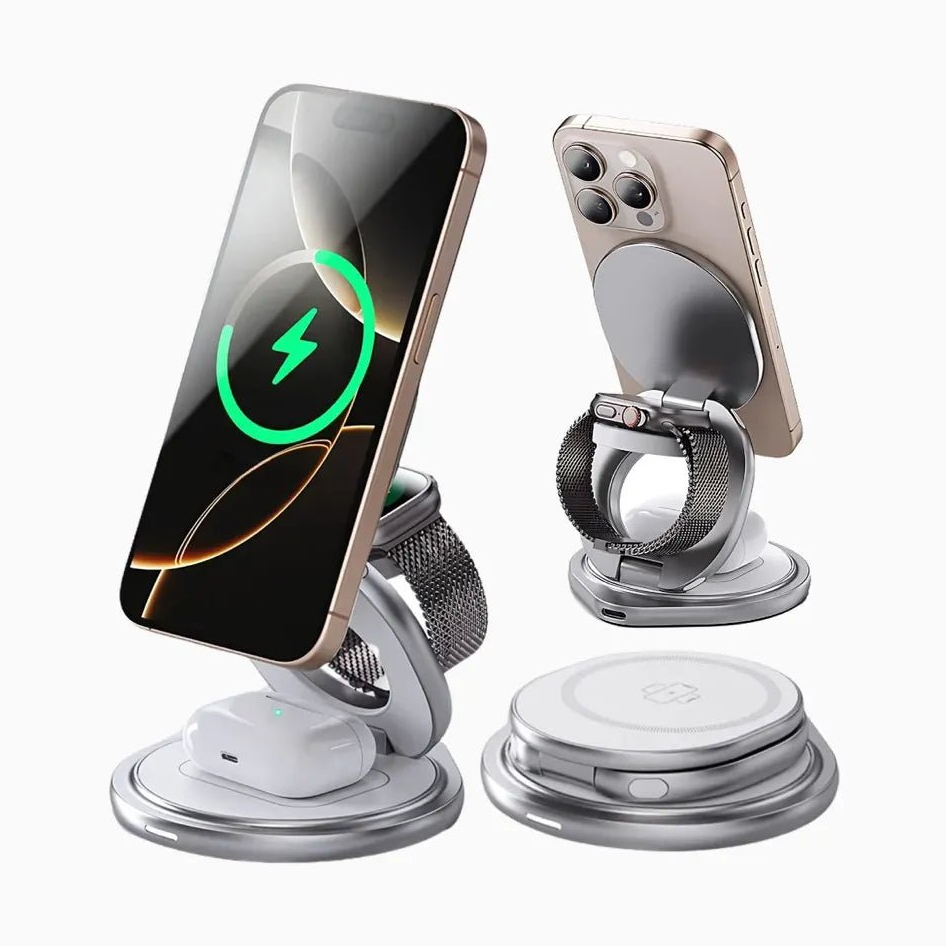
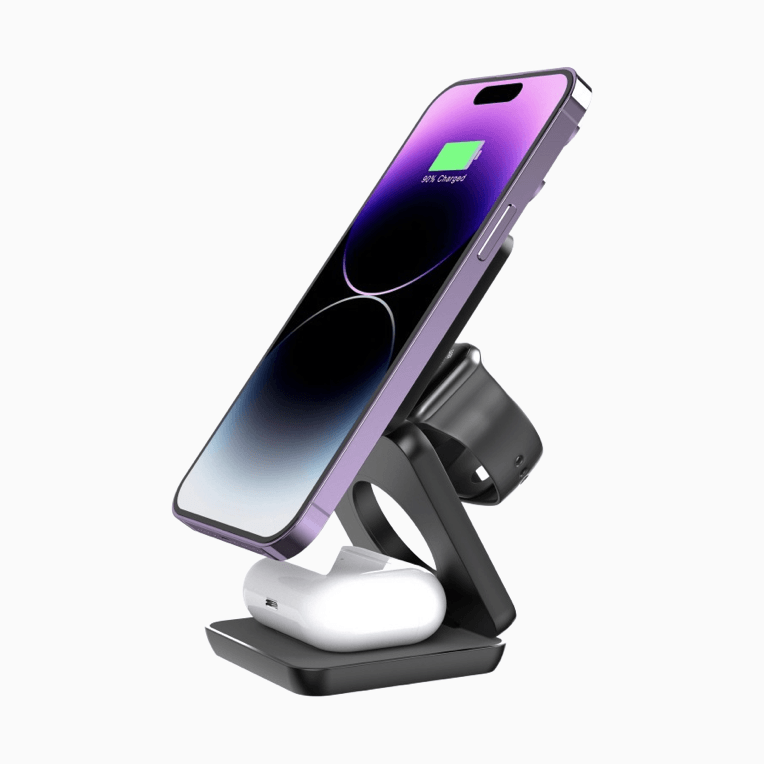
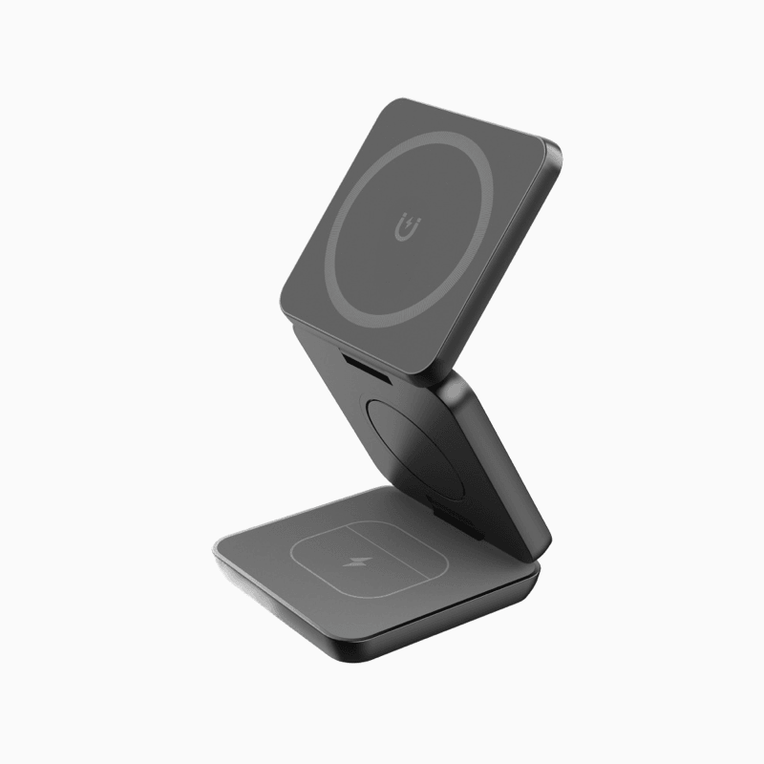
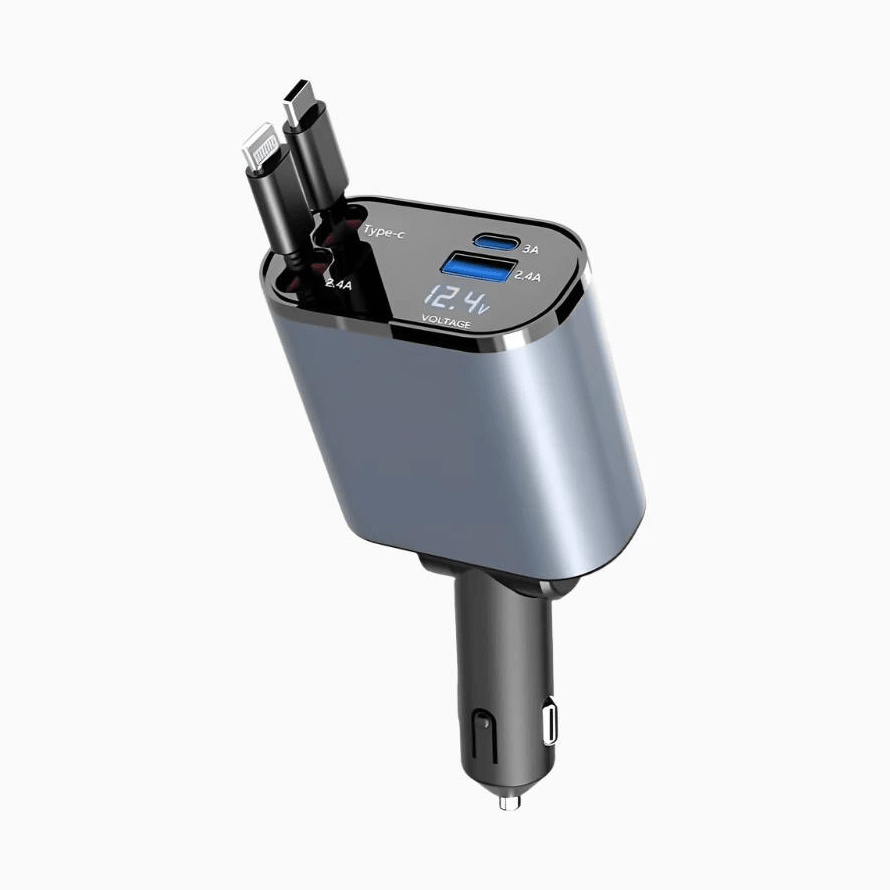
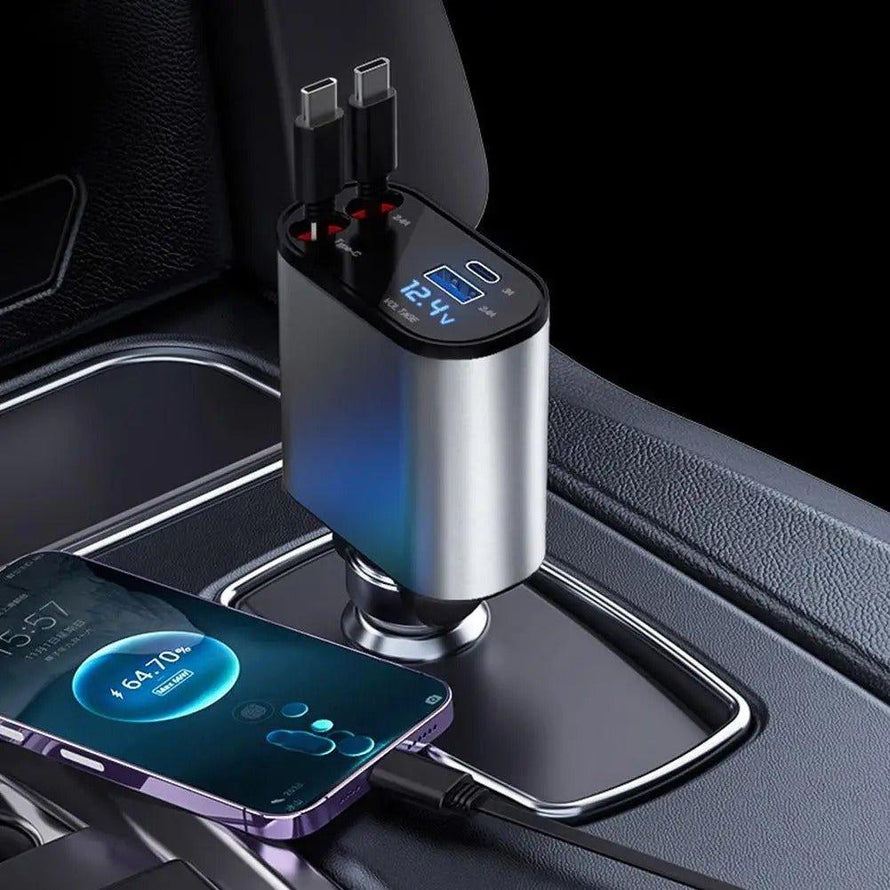
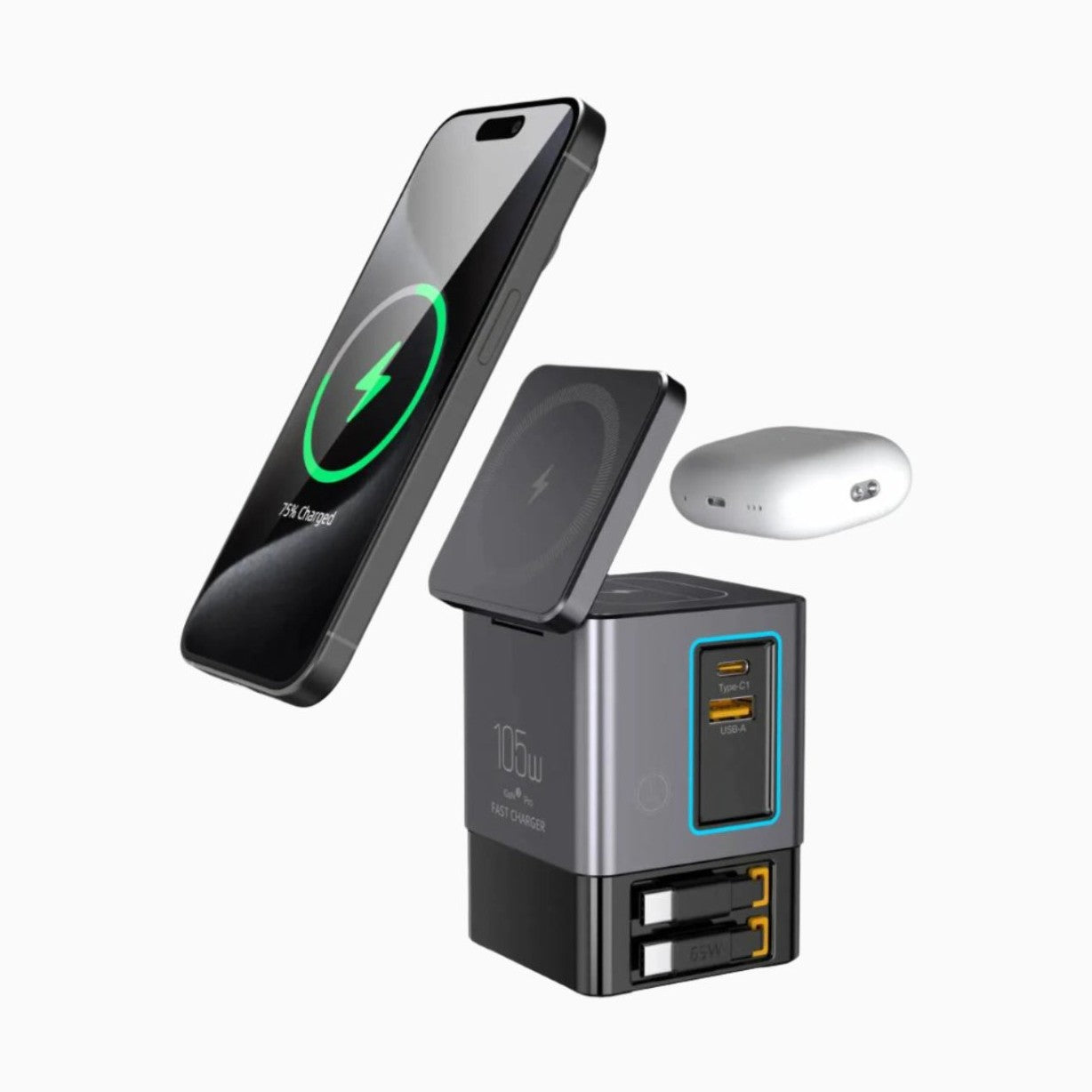
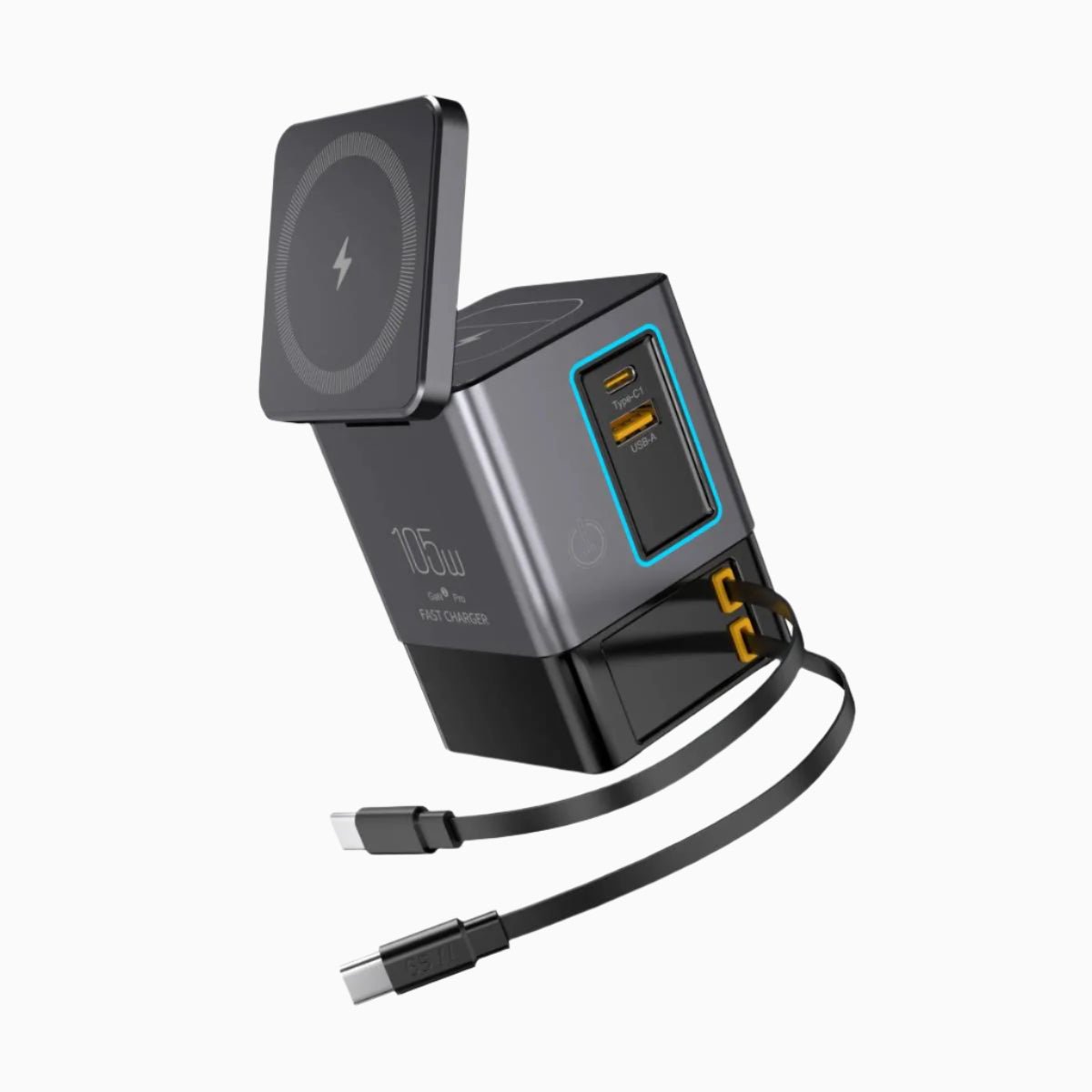
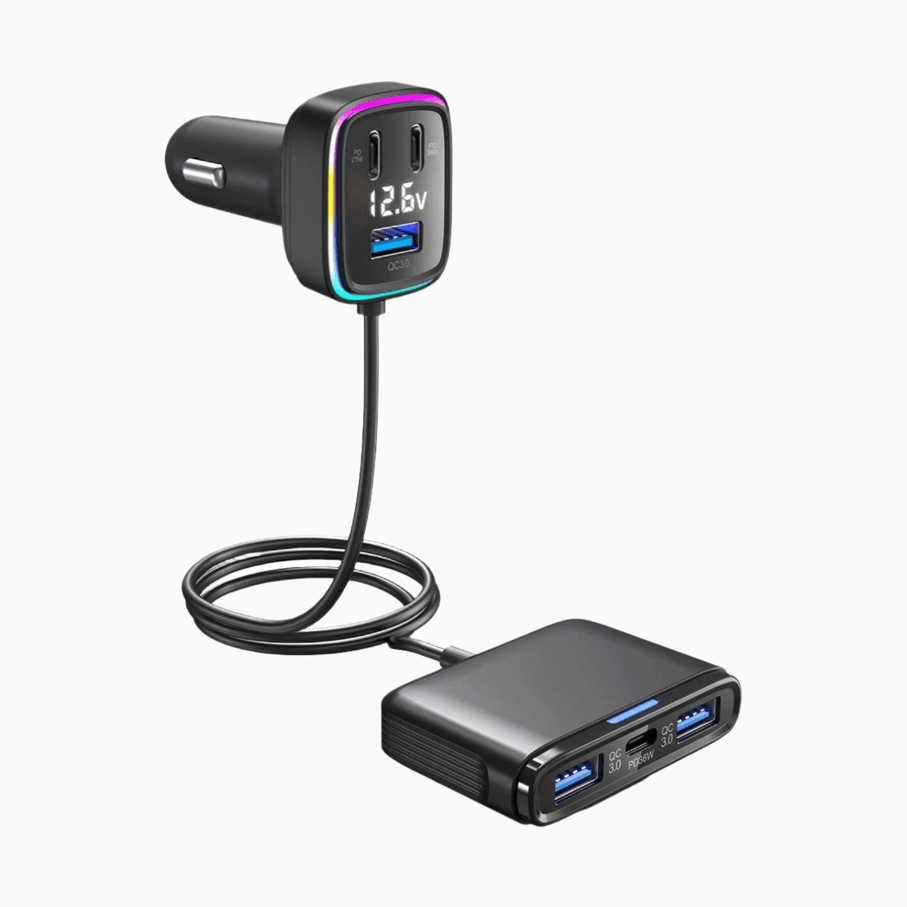
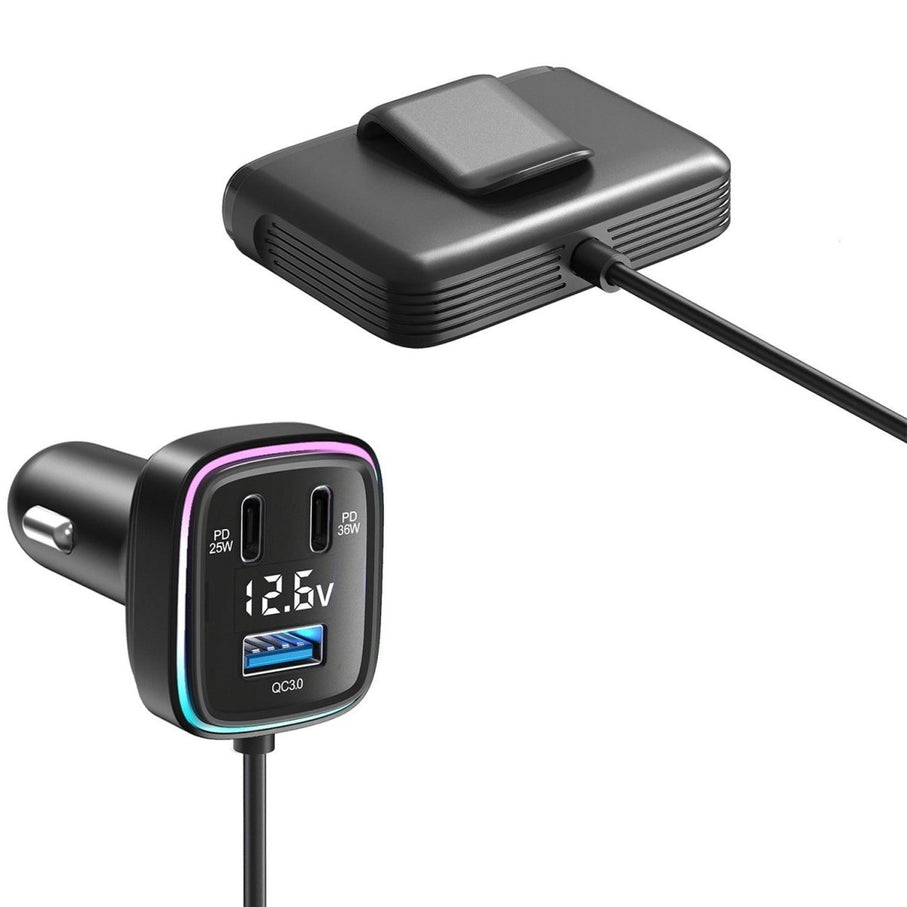
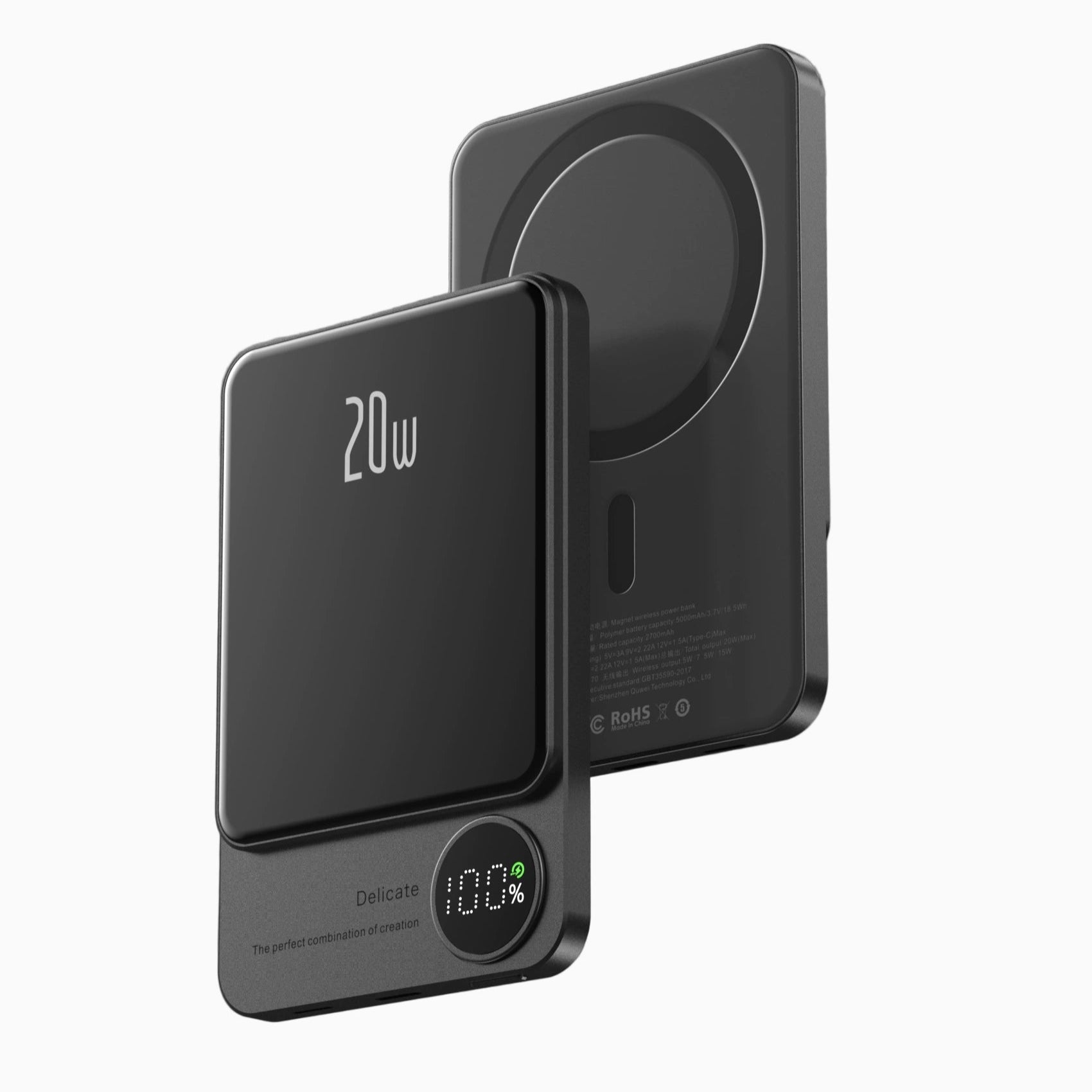
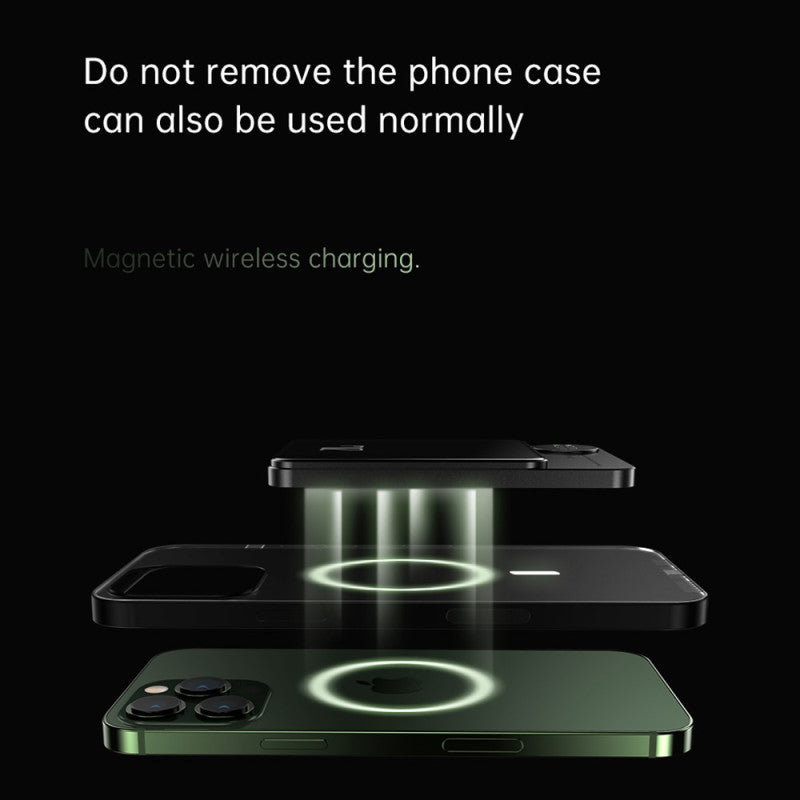
Check out the NexTECH 65W GaN Fast Charger with Global Travel Adapter for your own setup — compact, powerful, and ready for any device. And if you're on the go, the NexTECH Magsafe Wireless Power Bank keeps your iPhone charged without the wires.